In the vibrant classrooms of Senegal, where the air hums with the rhythm of diverse languages and cultures, a transformative educational approach is quietly reshaping the landscape of learning. Peer teaching, a method where students teach each other, is emerging as a powerful tool to enhance understanding, foster collaboration, and bridge educational gaps. This approach is not just a trend; it’s a necessity in the face of challenges like overcrowded classrooms, limited resources, and a shortage of qualified teachers. Imagine a classroom where every student is both a learner and a teacher, where knowledge flows freely among peers, and where learning becomes a shared journey. This is the promise of peer teaching in Senegal’s education system.
The Essence of Peer Teaching: A Collaborative Learning Model
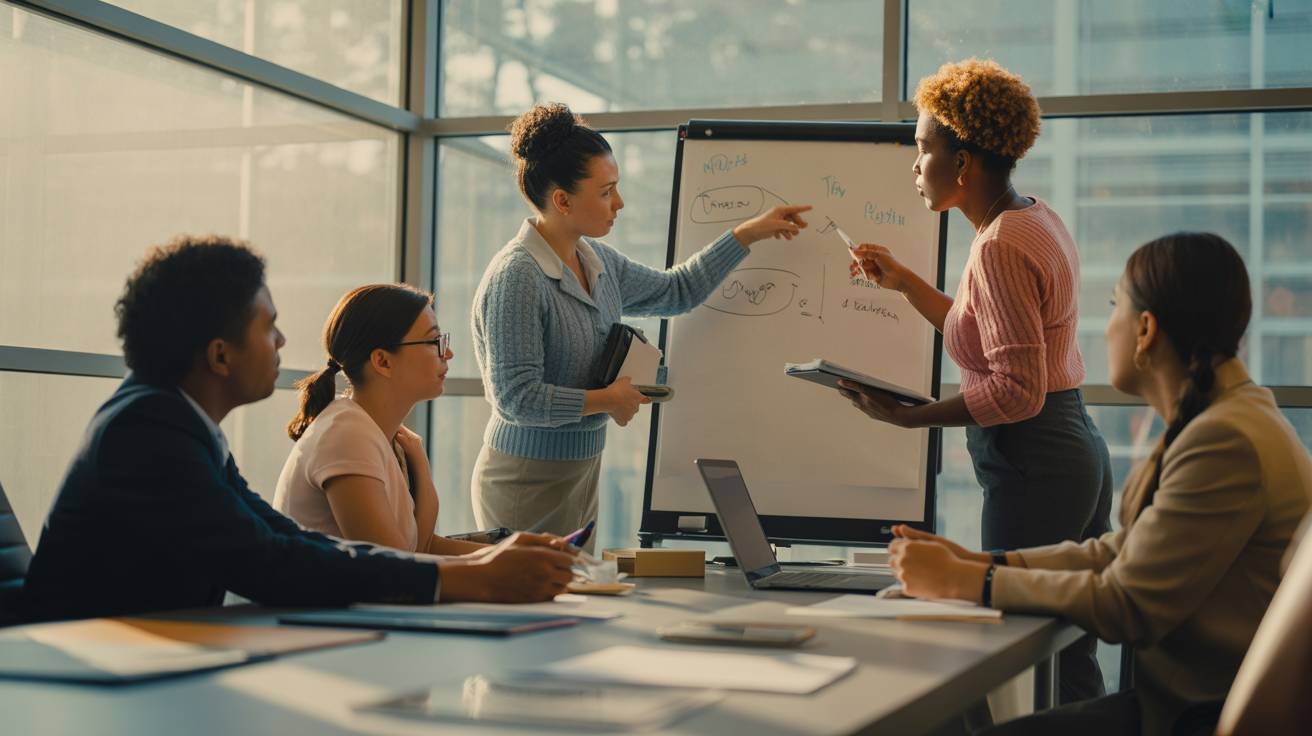
At its core, peer teaching is about collaboration and mutual support. In Senegal, where educational disparities often exist between urban and rural areas, peer teaching offers a solution that transcends these divides. Students, regardless of their backgrounds, come together to share knowledge, explain concepts, and help each other grasp difficult subjects. This method not only reinforces the material being taught but also builds a sense of community and shared responsibility among students. For instance, in a bustling classroom in Dakar, a student struggling with mathematics might find clarity when a peer explains a complex problem in simpler terms, using relatable examples from their daily life. This peer-to-peer interaction makes learning more accessible and less intimidating, especially for students who might feel overwhelmed in traditional teacher-led settings.
Bridging Educational Gaps: Peer Teaching in Senegal’s Diverse Context
Senegal’s educational landscape is rich in diversity, with over 20 national languages spoken across the country. However, this linguistic diversity can pose challenges in standardizing education. Peer teaching becomes a bridge in this context, allowing students to learn in languages they are comfortable with, while also acquiring proficiency in the national language, French. For example, a student fluent in Wolof can assist a classmate in understanding a lesson in French, facilitating both language acquisition and subject comprehension simultaneously. This bilingual approach not only enhances learning outcomes but also promotes inclusivity, ensuring that language is not a barrier to education. Moreover, peer teaching encourages students to take ownership of their learning, fostering a deeper connection to the material and a greater sense of achievement.
Empowering Students: Developing Critical Skills Through Teaching
When students take on the role of a teacher, they engage in a deeper level of learning. Explaining concepts to peers requires a thorough understanding of the subject matter, critical thinking, and the ability to communicate effectively. In Senegal, where resources are often limited, peer teaching serves as a cost-effective strategy to enhance educational quality. Students develop essential skills such as leadership, empathy, and communication, which are invaluable both inside and outside the classroom. For instance, a student who helps a peer understand a science concept not only reinforces their own knowledge but also hones their ability to articulate complex ideas clearly. These skills are crucial in preparing students for the challenges of the modern world, where collaboration and communication are key to success.
Overcoming Challenges: Implementing Peer Teaching in Resource-Limited Settings
Implementing peer teaching in Senegal’s classrooms is not without its challenges. Overcrowded classrooms, limited access to educational materials, and varying levels of student preparedness can hinder the effectiveness of this approach. However, these obstacles are not insurmountable. With proper training and support, students can be equipped with the tools they need to teach their peers effectively. Teachers play a crucial role in facilitating peer teaching by providing guidance, setting clear expectations, and creating an environment that encourages collaboration. In some schools, educators have organized workshops to train students in peer teaching methodologies, ensuring that they have the skills and confidence to take on this responsibility. Additionally, schools are leveraging technology to connect students with resources and experts, expanding the learning opportunities available to them. Despite the challenges, the benefits of peer teaching in Senegal are undeniable, offering a pathway to more inclusive and effective education.
Inclusive Education: Peer Teaching as a Tool for Equity
In Senegal, inclusive education is a priority, aiming to provide quality education to all children, including those with disabilities. Peer teaching plays a pivotal role in this initiative by promoting acceptance, understanding, and support among students. When students with disabilities are integrated into regular classrooms, peer teaching fosters an environment of inclusivity, where differences are celebrated, and every student has the opportunity to learn and grow. For example, a student with a hearing impairment might rely on a peer to interpret lessons or provide notes, ensuring they are not left behind. This collaborative approach not only benefits students with disabilities but also enriches the learning experience for all students, teaching them the values of empathy, respect, and cooperation.
Community Engagement: Strengthening the Support System for Peer Teaching
The success of peer teaching extends beyond the classroom. In Senegal, communities are actively involved in supporting educational initiatives, recognizing that education is a shared responsibility. Parents, local leaders, and organizations collaborate with schools to create an environment conducive to learning. This community involvement enhances the effectiveness of peer teaching by providing additional resources, encouragement, and reinforcement of learning outside school hours. For instance, community centers may offer after-school tutoring sessions, where older students mentor younger ones, reinforcing the peer teaching model. This holistic approach ensures that learning is continuous and supported by the broader community, leading to improved educational outcomes.
Measuring Success: Evaluating the Impact of Peer Teaching
Assessing the effectiveness of peer teaching is essential to ensure its continued success and improvement. In Senegal, various methods are employed to evaluate the impact of this approach. Standardized tests, student feedback, and teacher observations provide valuable insights into how well peer teaching is working. Additionally, longitudinal studies track the academic progress of students involved in peer teaching programs, comparing them with those who have not participated. These evaluations have shown promising results, with students engaged in peer teaching demonstrating improved academic performance, greater confidence, and enhanced interpersonal skills. The data supports the expansion of peer teaching programs across the country, highlighting their potential to transform education in Senegal.
The Future of Peer Teaching in Senegal: Scaling Up and Sustaining Impact
As the benefits of peer teaching become increasingly evident, there is a growing movement to scale up this approach across Senegal. Educational policymakers, in collaboration with international organizations and local communities, are working to integrate peer teaching into national education strategies. This includes developing training programs for teachers and students, creating supportive policies, and securing funding to sustain and expand peer teaching initiatives. The goal is to make peer teaching a standard practice in classrooms throughout Senegal, ensuring that every student has the opportunity to learn from and teach their peers. This vision aligns with Senegal’s commitment to achieving Sustainable Development Goal 4, which aims to ensure inclusive and equitable quality education and promote lifelong learning opportunities for all. The future of education in Senegal is collaborative, inclusive, and peer-driven, paving the way for a brighter, more equitable future for all students.