Introduction: The Urgency of Collaborative Learning
In today’s rapidly evolving educational landscape, the urgency of fostering collaborative learning cannot be overstated. As traditional teaching methods give way to more interactive and student-centered approaches, educators and institutions are scrambling to adapt. The clock is ticking, and those who fail to embrace collaborative learning risk falling behind. This article provides a comprehensive, step-by-step guide to organizing collaborative projects and peer learning activities, ensuring that you stay ahead of the curve.
Understanding Collaborative Learning
Collaborative learning is an educational approach that involves students working together to achieve shared learning goals. Unlike traditional, teacher-centered instruction, collaborative learning emphasizes peer interaction, mutual responsibility, and collective problem-solving. This method not only enhances academic performance but also fosters critical life skills such as communication, teamwork, and adaptability. The shift towards collaborative learning is not just a trend; it’s a necessity in preparing students for the complexities of the modern world.
Setting Clear Objectives
Before embarking on any collaborative project, it’s imperative to establish clear, measurable objectives. These goals should align with the overall curriculum and be tailored to the specific needs and abilities of the students involved. Without well-defined objectives, collaborative efforts can become disjointed and ineffective. Take the time to articulate what you aim to achieve, whether it’s mastering a particular concept, developing a specific skill, or fostering a deeper understanding of the subject matter. Remember, clarity at the outset leads to success at the end.
Designing the Collaborative Activity
The design of the collaborative activity plays a pivotal role in its success. Consider the nature of the task, the resources required, and the roles each participant will undertake. Incorporate elements that promote active engagement, critical thinking, and creativity. Utilize tools such as digital platforms, interactive simulations, and real-world scenarios to enhance the learning experience. The more immersive and dynamic the activity, the more likely students are to invest their time and energy into it. Don’t settle for mundane tasks; strive to create experiences that captivate and challenge your students.
Forming Effective Teams
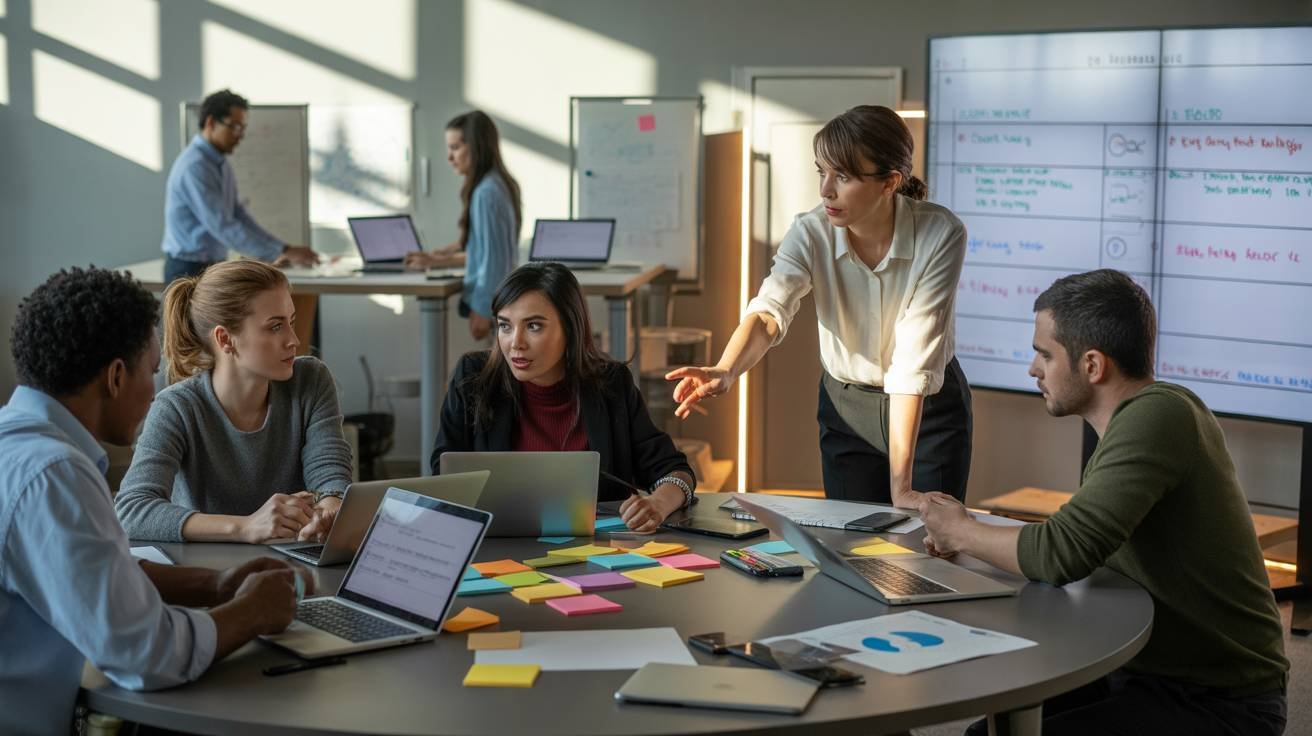
The composition of the teams can significantly impact the outcome of the collaborative project. Aim for diversity in skills, backgrounds, and perspectives to enrich the learning experience. Assign roles that leverage individual strengths while encouraging the development of new skills. Provide opportunities for students to get to know each other before the project begins, fostering a sense of trust and camaraderie. Remember, a well-formed team is the foundation of a successful collaborative endeavor.
Implementing the Activity
With objectives set, activities designed, and teams formed, it’s time to implement the collaborative project. Facilitate the process by providing guidance, resources, and support as needed. Encourage open communication and regular check-ins to monitor progress and address any challenges that arise. Foster an environment where students feel comfortable sharing ideas, asking questions, and offering feedback. The role of the educator is not to dictate but to guide and support the collaborative process, ensuring that students remain engaged and on track.
Assessing Outcomes
Assessment in collaborative learning should be multifaceted, considering both individual contributions and group achievements. Utilize a combination of self-assessments, peer evaluations, and instructor assessments to gauge the effectiveness of the project. Provide constructive feedback that highlights strengths and identifies areas for improvement. Remember, assessment is not just about grading; it’s about fostering growth and development. Use the outcomes to inform future collaborative efforts, continuously refining and enhancing the learning experience.
Leveraging Technology
Incorporating technology into collaborative learning activities can enhance engagement and facilitate communication. Utilize digital platforms for collaboration, such as shared documents, discussion forums, and project management tools. Incorporate multimedia resources, such as videos, podcasts, and interactive simulations, to enrich the learning experience. The use of technology should not be an afterthought but an integral part of the collaborative process, enabling students to connect, collaborate, and create in innovative ways.
Conclusion: The Path Forward
Organizing collaborative projects and peer learning activities is not merely an instructional strategy; it’s a commitment to preparing students for the challenges and opportunities of the future. By embracing collaborative learning, educators empower students to take ownership of their learning, develop essential skills, and become active participants in their educational journey. The time to act is now. Don’t let your students miss out on the transformative power of collaborative learning. Take the first step today and witness the profound impact on student engagement, achievement, and growth.