
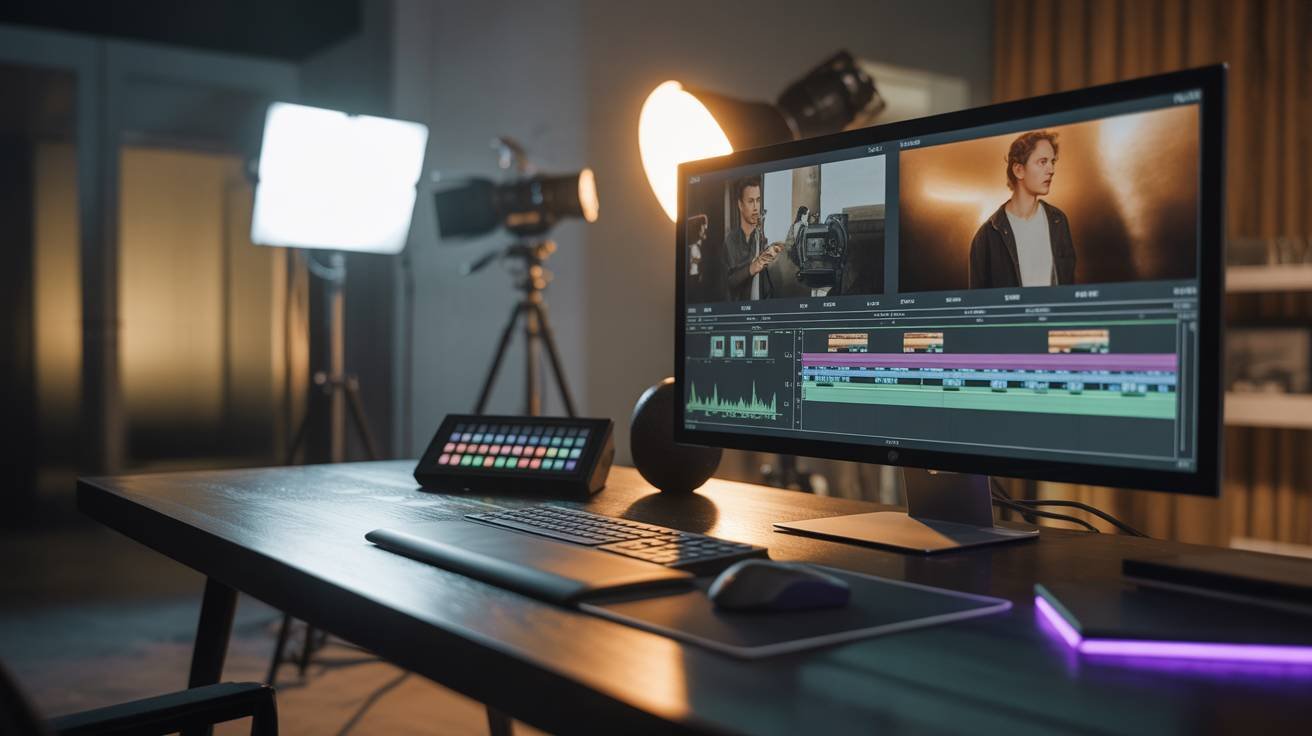
In today’s fast-paced digital world, video content reigns supreme. Whether you’re aiming to captivate audiences on social media platforms or craft cinematic masterpieces, mastering the art of video editing is essential. But it’s not just about cutting clips together; it’s about weaving a narrative that resonates with viewers. This journey into the realm of storytelling through video editing is both exhilarating and transformative. And the clock is ticking – every moment you hesitate is an opportunity lost. The world is evolving, and so should your skills. Don’t let the wave of innovation pass you by.
Understanding the Power of Video Storytelling
Video storytelling is more than just a trend; it’s the future of communication. In a world saturated with information, videos cut through the noise, delivering messages in a way that text and images alone cannot. The combination of visuals, sound, and motion creates an immersive experience that can evoke emotions, inspire action, and leave a lasting impact. But to harness this power, one must first understand its nuances. It’s about crafting a narrative that aligns with your audience’s desires and needs. It’s about creating content that not only informs but also connects on a deeper level. And this connection is what drives engagement, builds trust, and fosters loyalty.
Choosing the Right Tools for the Job
Embarking on your video editing journey requires selecting the right tools. The market is flooded with software options, each offering unique features and capabilities. From professional-grade applications like Adobe Premiere Pro and Final Cut Pro to user-friendly platforms like CapCut and iMovie, the choices are vast. But with great choice comes great responsibility. Selecting the wrong tool can hinder your creative process and lead to frustration. It’s crucial to assess your needs, budget, and skill level before making a decision. Remember, the right tool can elevate your storytelling; the wrong one can stifle it. So, take the time to research, experiment, and find the software that best aligns with your vision.
Mastering the Basics: Editing Techniques That Tell a Story
Before diving into complex effects and transitions, it’s essential to master the foundational editing techniques that form the backbone of compelling storytelling. Techniques like cutting on action, jump cuts, and match cuts are not just stylistic choices; they’re narrative tools that guide the viewer’s experience. Cutting on action maintains the flow of movement, jump cuts can create a sense of urgency, and match cuts can establish thematic connections. Understanding when and how to use these techniques can significantly enhance the storytelling aspect of your videos. It’s about making deliberate choices that serve the narrative, not just the aesthetics. And this mastery comes with practice, patience, and a keen understanding of your story’s needs.
Crafting a Compelling Narrative Arc
Every great story follows a structure: a beginning that introduces the characters and setting, a middle that presents a conflict or challenge, and an end that offers resolution. This narrative arc is not just for novels and films; it’s equally applicable in video storytelling. By structuring your content in this way, you guide the viewer through a journey that is both engaging and satisfying. But it’s not just about following a formula; it’s about infusing your unique perspective and creativity into this structure. It’s about finding innovative ways to present familiar narratives, keeping your audience hooked from start to finish. And in a world where attention spans are shrinking, delivering a well-paced and compelling narrative is more crucial than ever.
Leveraging Sound and Music to Enhance Storytelling
Sound is a powerful tool in video editing. It can set the tone, evoke emotions, and even drive the narrative forward. From ambient background scores to sound effects and voiceovers, the auditory elements of your video play a pivotal role in storytelling. A well-chosen piece of music can transform a mundane scene into an emotionally charged moment. Similarly, sound effects can add realism and depth to your visuals. But it’s essential to use sound judiciously. Overuse can overwhelm the viewer, while underuse can make the content feel flat. The key is balance – ensuring that the sound complements and enhances the visuals without overshadowing them. And this balance is achieved through careful selection, timing, and mixing.
Color Grading: Setting the Mood Through Visuals
Color is more than just a visual element; it’s a storytelling device. The hues and tones you choose can convey emotions, signify themes, and even indicate time periods. For instance, warm tones can evoke feelings of comfort and nostalgia, while cooler tones can create a sense of detachment or melancholy. By understanding color theory and its psychological impacts, you can use color grading to enhance the narrative of your video. It’s about making conscious choices that align with the story’s mood and message. And with the right tools and techniques, you can manipulate color to achieve the desired effect, adding another layer of depth to your storytelling.
Incorporating Visual Effects and Transitions
Visual effects and transitions can add flair and creativity to your videos. They can smooth out scene changes, emphasize key moments, and even introduce fantastical elements. However, it’s crucial to use them sparingly and purposefully. Overuse can distract from the story and make the content feel gimmicky. Instead, focus on using effects and transitions that serve the narrative. Whether it’s a subtle fade to indicate a passage of time or a dynamic transition to add excitement, these elements should enhance, not detract from, the story. And as with all aspects of video editing, the key is balance – ensuring that every effect and transition has a purpose and contributes to the overall narrative.
Learning from the Experts: Insights from Industry Professionals
One of the most effective ways to learn video editing is by studying the work of professionals. Analyzing how experts structure their narratives, use editing techniques, and incorporate sound and visuals can provide valuable insights. Many professionals share their knowledge through tutorials, workshops, and online courses. By immersing yourself in these resources, you can gain a deeper understanding of the craft and learn best practices that can elevate your own work. It’s about learning from those who have honed their skills over time and applying their techniques to your unique projects. And with the wealth of resources available today, there’s no excuse not to learn from the best.
Building a Portfolio to Showcase Your Skills
As you develop your video editing skills, it’s essential to build a portfolio that showcases your work. A well-curated portfolio not only demonstrates your abilities but also reflects your unique style and perspective. Include a diverse range of projects that highlight different aspects of video editing, from narrative storytelling to technical proficiency. And don’t forget to update your portfolio regularly as you complete new projects. In today’s competitive landscape, having a strong portfolio can set you apart and open doors to new opportunities. It’s your chance to present your work to the world and make a lasting impression on potential clients or employers.
In conclusion, learning video editing to create compelling storytelling videos is a journey that requires dedication, practice, and a keen understanding of narrative techniques. By mastering the tools and techniques discussed above, you can craft videos that not only capture attention but also resonate with viewers on a deeper level. Remember, the world is waiting for your story – don’t keep it waiting too long.