Imagine stepping into a bustling hospital emergency room, feeling the pulse of urgency as a patient arrives in critical condition. You’re not just reading about medical procedures; you’re experiencing them firsthand. This is the transformative power of Virtual Reality (VR) in education – a tool that immerses learners in lifelike scenarios, bridging the gap between theoretical knowledge and practical application. As industries and educational institutions increasingly adopt VR, the question isn’t whether to integrate this technology, but how to do so effectively. The clock is ticking, and those who hesitate may find themselves left behind in a rapidly evolving landscape.
The Immersive Power of Virtual Reality in Learning
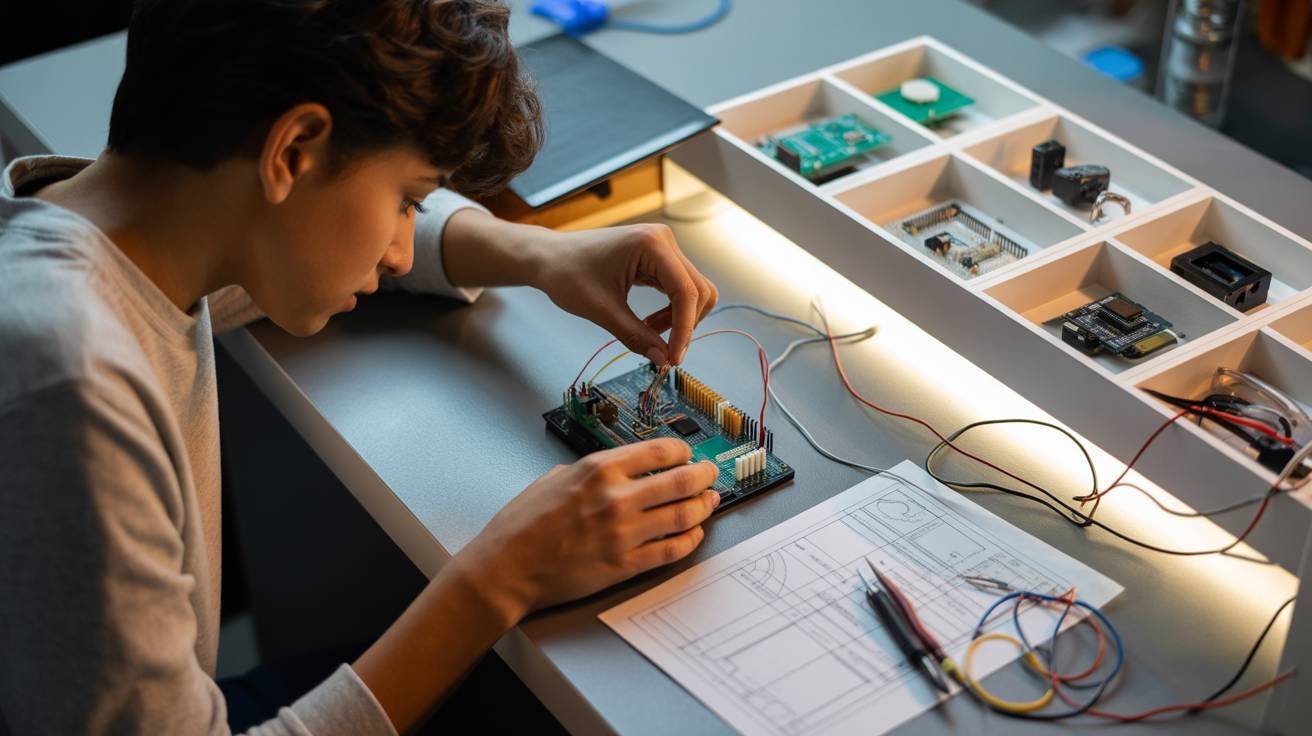
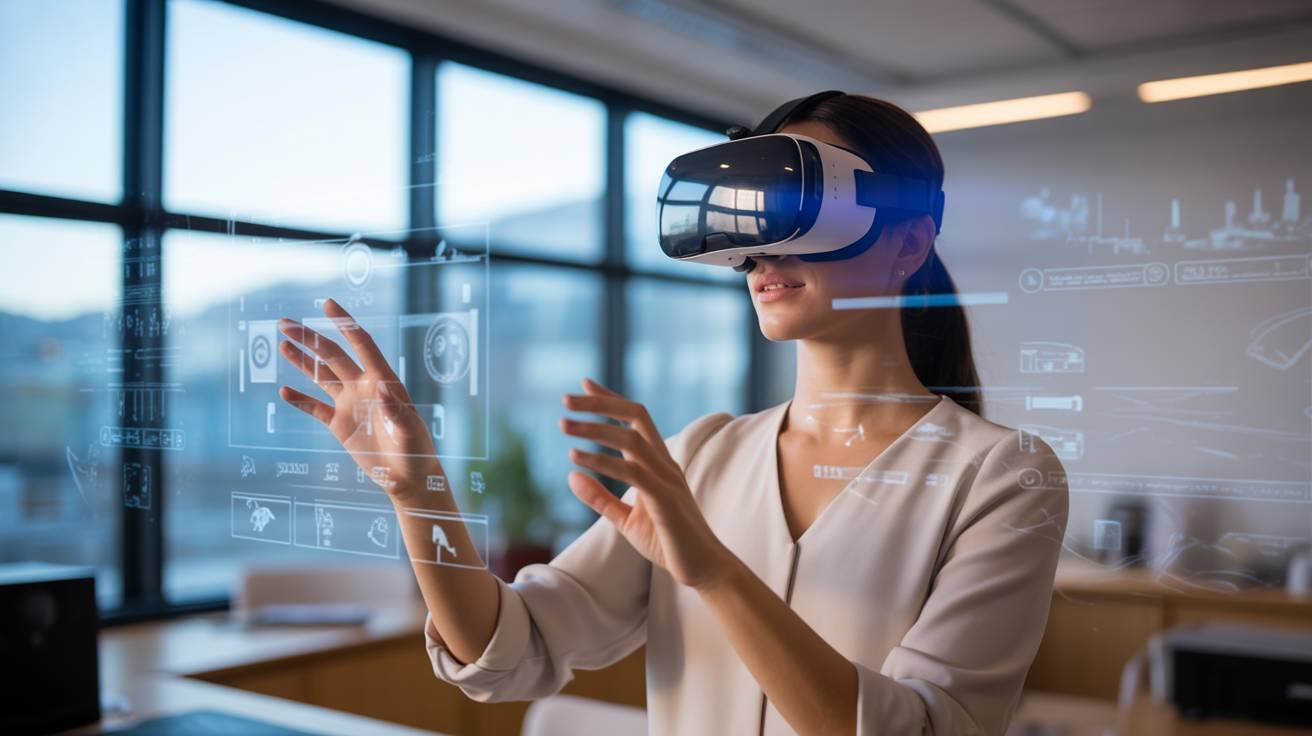
Virtual Reality offers an unparalleled immersive experience, allowing learners to engage with content in a way that traditional methods cannot match. By simulating real-world environments, VR enables students to practice skills and make decisions in a safe, controlled setting. This hands-on approach not only enhances understanding but also boosts retention rates. For instance, medical students can perform virtual surgeries, gaining valuable experience without the risks associated with real-life procedures. Similarly, engineering students can explore complex machinery, understanding its components and functions through interactive simulations. The sensory-rich environments created by VR stimulate multiple senses, reinforcing learning and making abstract concepts more tangible.
Designing Effective VR Learning Scenarios
Creating impactful VR learning experiences requires careful planning and design. It’s not enough to simply replicate real-world scenarios; the simulations must be thoughtfully constructed to align with learning objectives. This involves scripting branching scenarios that present learners with realistic challenges and decision points, allowing them to experience the consequences of their choices. Incorporating interactive elements, such as manipulating virtual objects or navigating complex environments, further enhances engagement. Additionally, integrating feedback mechanisms helps learners understand their performance and areas for improvement. By combining these elements, educators can craft VR scenarios that are both educational and engaging, providing learners with meaningful experiences that translate into real-world skills.
Enhancing Soft Skills Through VR
While VR is often associated with technical training, its potential extends to developing soft skills as well. Communication, empathy, and problem-solving are critical competencies in many professions, and VR can provide a platform to cultivate these abilities. For example, VR simulations can place learners in scenarios where they must navigate difficult conversations or resolve conflicts, allowing them to practice and refine their interpersonal skills. The immersive nature of VR makes these experiences more impactful, as learners can engage in realistic interactions and receive immediate feedback on their performance. By incorporating soft skills training into VR programs, educators can produce well-rounded individuals equipped to handle the complexities of the modern workplace.
Real-World Applications of VR in Education
The application of VR in education is vast and varied, spanning numerous fields and disciplines. In healthcare, VR is used to train medical professionals in procedures and patient care, providing them with experience in a risk-free environment. In engineering, students can interact with virtual models of machinery, gaining insights into design and functionality. The military employs VR to simulate combat scenarios, preparing soldiers for real-life situations without the dangers of live training. These examples illustrate the versatility of VR as a tool for education, offering learners opportunities to engage with content in innovative ways. As technology advances, the potential applications of VR in education continue to expand, promising even more immersive and effective learning experiences.
Overcoming Challenges in VR Implementation
Despite its benefits, implementing VR in educational settings presents several challenges. The cost of VR equipment and software can be prohibitive, particularly for institutions with limited budgets. Additionally, there is a need for trained personnel to develop and maintain VR content, which may require specialized skills. Moreover, some learners may experience discomfort or motion sickness when using VR, potentially hindering their ability to engage with the material. To address these issues, institutions can explore funding opportunities, collaborate with technology providers, and invest in training programs for staff. By proactively addressing these challenges, educators can ensure that VR becomes a viable and effective tool for learning.
The Future of VR in Education
The future of VR in education is promising, with ongoing advancements in technology enhancing its capabilities. Emerging trends include the integration of artificial intelligence to create adaptive learning environments, where VR simulations adjust in real-time to the learner’s actions and decisions. Additionally, the development of more affordable and accessible VR hardware is expected to broaden its adoption across various educational institutions. As these innovations unfold, VR is poised to play an increasingly central role in shaping the educational landscape, offering personalized, immersive, and effective learning experiences that prepare students for the challenges of the future.
Case Studies: Success Stories in VR Learning
Numerous institutions have successfully integrated VR into their educational programs, yielding impressive results. At the University of Maryland, medical students utilize VR to practice clinical procedures, enhancing their skills and confidence before interacting with real patients. Similarly, the University of Cambridge has developed a VR platform to help individuals overcome public speaking anxiety, allowing users to practice in front of virtual audiences and receive feedback on their performance. These case studies demonstrate the practical applications of VR in education and highlight its potential to transform learning experiences across disciplines.
Implementing VR in Your Educational Institution
For educational institutions considering the integration of VR into their programs, several steps can facilitate a successful implementation. First, assess the specific needs and objectives of your institution to determine how VR can best support your educational goals. Next, invest in quality VR hardware and software that align with these objectives. It’s also essential to provide training for educators to effectively incorporate VR into their teaching methods. Finally, establish a system for evaluating the effectiveness of VR learning experiences, gathering feedback from students and instructors to make necessary adjustments. By following these steps, institutions can harness the power of VR to enhance their educational offerings and provide students with cutting-edge learning opportunities.
Conclusion: Embracing the VR Revolution in Education
The integration of Virtual Reality into education represents a paradigm shift in how learning occurs. By immersing students in realistic scenarios, VR bridges the gap between theoretical knowledge and practical application, preparing learners for real-world challenges. While challenges exist in implementing VR, the benefits far outweigh the obstacles, offering enhanced engagement, improved retention, and the development of critical skills. As technology continues to evolve, the potential for VR in education expands, promising a future where learning is more interactive, personalized, and effective. Now is the time to embrace this revolutionary tool and position your institution at the forefront of educational innovation.