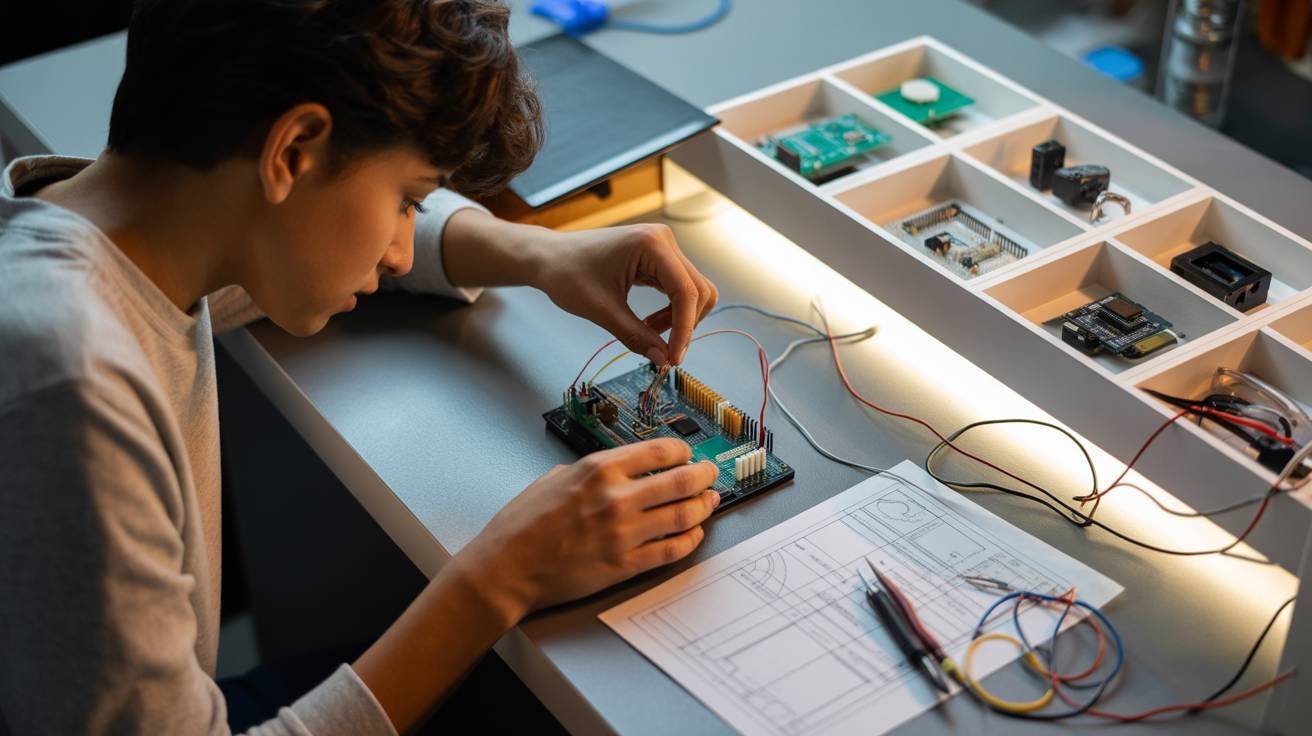

In the fast-paced world of modern education, where every moment counts, creating an environment that captivates and motivates students is paramount. Imagine a classroom where students are not merely passive recipients of information but active participants, eagerly engaging in discussions and activities. The secret to unlocking this dynamic lies in a powerful yet often overlooked element: education lighting.
Lighting is more than just a functional necessity; it’s a catalyst for learning. The right lighting can transform a dull, uninspiring room into a vibrant space that stimulates creativity, focus, and collaboration. Conversely, poor lighting can lead to fatigue, disengagement, and diminished academic performance. As educators and institutions strive to enhance student outcomes, understanding and implementing effective lighting strategies is no longer optional – it’s essential.
In this article, we delve into the profound impact of education lighting on student motivation and classroom interaction. Drawing from the latest research, expert insights, and real-world examples, we explore how strategic lighting choices can revolutionize the learning experience. Whether you’re an educator seeking to invigorate your classroom or a school administrator aiming to optimize learning environments, this guide offers actionable strategies to harness the power of light for educational success.
Understanding the Science Behind Lighting and Learning
The relationship between lighting and learning is grounded in science. Studies have shown that lighting affects our circadian rhythms, mood, and cognitive functions. In educational settings, lighting influences alertness, concentration, and overall academic performance. For instance, classrooms with natural light have been linked to improved test scores and reduced absenteeism. Conversely, poorly lit environments can lead to eye strain, headaches, and decreased productivity.
One of the most compelling studies conducted by the California Energy Commission found that students in classrooms flooded with natural light achieved a 20% improvement in mathematics and a 26% improvement in reading scores compared to those in dimly lit rooms. This underscores the critical role lighting plays in shaping educational outcomes. By aligning lighting conditions with the natural rhythms of the human body, educators can create an environment conducive to optimal learning.
The Role of Natural Light in Enhancing Student Engagement
Natural light is a powerful tool in fostering student engagement. Exposure to daylight has been shown to boost mood, reduce stress, and enhance cognitive function. In classrooms, maximizing natural light can create a warm, inviting atmosphere that encourages students to participate actively in lessons.
Designing classrooms with large windows, skylights, or light tubes can increase the influx of natural light. Additionally, arranging desks near windows and using light-colored walls can reflect daylight deeper into the room. These strategies not only improve visibility but also create a connection to the outside world, making the learning environment more dynamic and less confining.
Implementing Dynamic Lighting Systems for Adaptive Learning
Static lighting fixtures are a thing of the past. Modern classrooms benefit from dynamic lighting systems that can be adjusted to suit different activities and times of day. Tunable LED lights allow educators to change the color temperature and intensity of light, tailoring the environment to the needs of the moment.
For example, cooler, brighter light (5000K–6500K) can be used during lectures or exams to promote alertness and focus. Warmer, softer light (2700K–3500K) is ideal for group discussions or creative projects, fostering a relaxed and collaborative atmosphere. The ability to adjust lighting dynamically empowers educators to create the optimal environment for various learning activities, enhancing student motivation and interaction.
Addressing the Needs of Neurodiverse Learners Through Lighting
Inclusive education requires attention to the diverse needs of all students. For neurodiverse learners, such as those with autism spectrum disorder or ADHD, lighting can have a significant impact on comfort and performance. Harsh fluorescent lights can cause discomfort and distractibility, while soft, natural lighting can promote calm and focus.
Implementing lighting solutions that reduce glare and flicker, such as full-spectrum LED bulbs, can create a more accommodating environment. Additionally, providing options for personal lighting control, like desk lamps with adjustable brightness, allows students to tailor their surroundings to their preferences, enhancing their learning experience.
Creating Zones Within the Classroom Using Lighting
Effective classroom design involves creating distinct zones that support different activities. Lighting plays a crucial role in delineating these areas and signaling their purpose. For instance, a reading nook can be illuminated with soft, warm light to create a cozy, inviting space for independent reading. In contrast, a collaborative work area can be brightly lit to encourage interaction and teamwork.
By strategically placing lighting fixtures and using varying intensities and colors, educators can guide students’ attention and behavior, fostering a more organized and efficient learning environment. This zoning approach not only enhances functionality but also adds an aesthetic dimension to the classroom, making it a more engaging place to learn.
Cost-Effective Lighting Solutions for Schools
Upgrading classroom lighting doesn’t have to be expensive. There are numerous cost-effective solutions that can yield significant benefits. LED bulbs, for example, consume less energy and have a longer lifespan than traditional incandescent or fluorescent lights, leading to cost savings over time.
Additionally, implementing simple measures such as using light-colored paint on walls and ceilings can enhance the reflectivity of light, reducing the need for additional fixtures. Schools can also explore grants and incentives offered by energy efficiency programs to fund lighting upgrades, making it a financially viable option for many institutions.
Training Educators to Utilize Lighting Effectively
Even the best lighting systems are ineffective if educators are not trained to use them properly. Professional development programs should include training on the impact of lighting on learning and strategies for utilizing lighting to enhance classroom dynamics.
Educators should be encouraged to experiment with different lighting setups and observe their effects on student behavior and performance. Sharing best practices and experiences among teachers can foster a collaborative approach to creating optimal learning environments, ensuring that lighting is used to its full potential.
Monitoring and Evaluating the Impact of Lighting on Learning Outcomes
To assess the effectiveness of lighting interventions, schools should implement monitoring and evaluation processes. Collecting data on student performance, engagement, and well-being before and after lighting changes can provide valuable insights into the impact of lighting on learning outcomes.
Surveys, focus groups, and classroom observations can be used to gather feedback from students and teachers. This information can inform future lighting decisions and contribute to a continuous improvement cycle, ensuring that the learning environment evolves to meet the needs of all students.
Conclusion: The Urgency of Prioritizing Education Lighting
The evidence is clear: lighting is not just a backdrop to learning; it is an active participant in the educational process. From enhancing focus and engagement to supporting diverse learning needs, the right lighting can transform a classroom into a dynamic, motivating environment.
As educational institutions strive to provide the best possible learning experiences, prioritizing education lighting is a crucial step. By investing in strategic lighting solutions and fostering a culture of awareness and adaptation, schools can create environments that inspire and empower students.
Don’t let outdated lighting hold your students back. Take action today to illuminate the path to better learning outcomes. Explore innovative lighting solutions and implement them in your classrooms to unlock the full potential of your students.
If you want to enhance your teaching experience, exploring options like the educator gm discount can significantly contribute to your motivation and job satisfaction.