
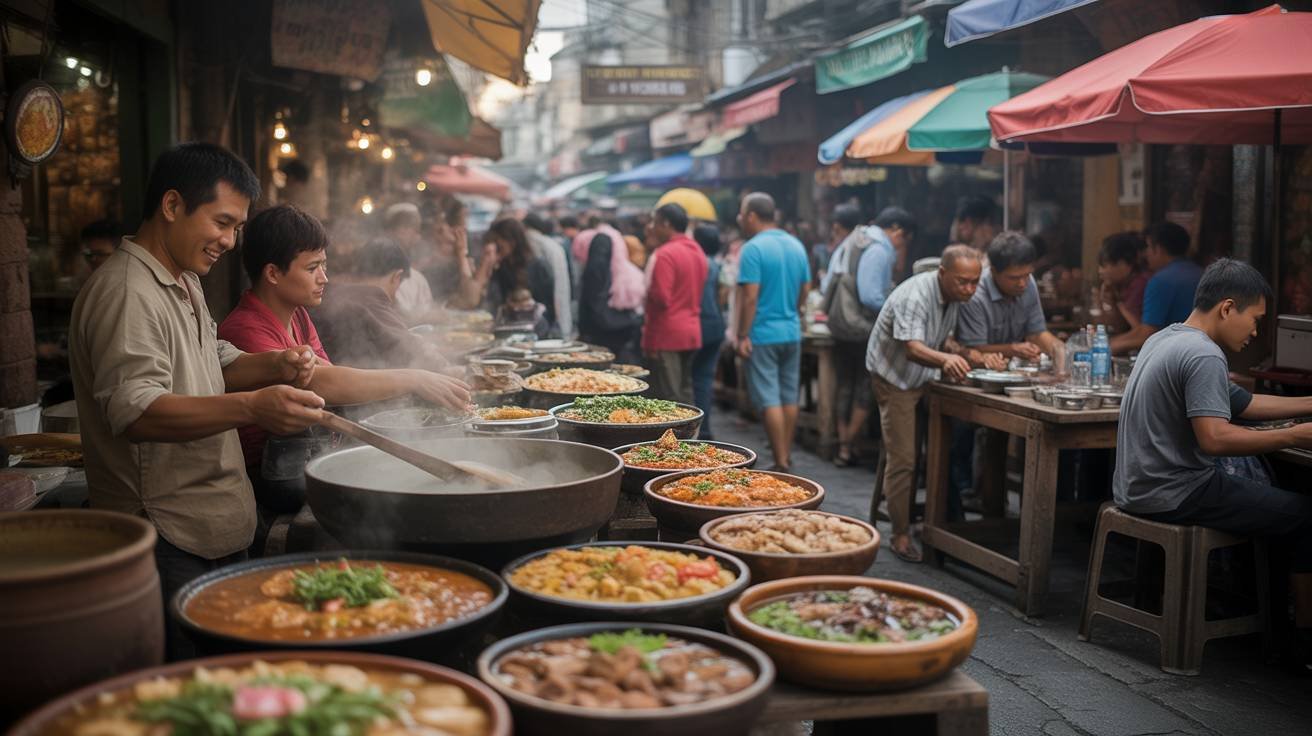
Imagine stepping off a plane into a world where every street corner offers a new aroma, each market stall tells a story, and every meal is an invitation to understand a culture from the inside out. Welcome to the world of culinary tourism, where food is not just sustenance but a gateway to authentic cultural immersion. If you’re a traveler seeking to experience local food culture authentically, these destinations offer unparalleled opportunities to savor traditional flavors, learn time-honored cooking techniques, and connect with communities through their culinary heritage.
Kyoto, Japan: A Symphony of Seasonal Flavors
Kyoto, Japan’s ancient capital, is a city where culinary traditions are preserved with reverence and precision. The city’s food culture is deeply rooted in the changing seasons, with each dish reflecting the natural beauty and bounty of the time of year. A visit to Kyoto is incomplete without experiencing kaiseki, a multi-course meal that showcases seasonal ingredients prepared with meticulous attention to detail. The delicate flavors of tofu, fresh vegetables, and seasonal fish are harmoniously presented, offering a sensory journey that delights the eyes as much as the palate.
Beyond kaiseki, Kyoto’s bustling markets, such as Nishiki Market, offer a plethora of local specialties. Here, you can sample yudofu (tofu hot pot), pickled vegetables, and matcha-flavored sweets, each bite a testament to the city’s rich culinary heritage. Engaging with local vendors provides insight into the traditional methods and stories behind these dishes, enriching your understanding of Kyoto’s food culture.
Ensenada, Mexico: Baja’s Seafood Paradise
Located on Mexico’s Baja California Peninsula, Ensenada is renowned as the country’s seafood capital. The city’s culinary scene is a vibrant tapestry woven from indigenous, Spanish, and Asian influences. Street food carts line the waterfront, offering an array of fresh seafood dishes that are both innovative and deeply rooted in tradition. The iconic fish taco, a crispy, flavorful delight, is a must-try, but the offerings extend far beyond this beloved dish.
At the heart of Ensenada’s gastronomic landscape is the Valle de Guadalupe, Mexico’s premier wine region. Here, chefs like Benito Molina and Solange Muris have pioneered modern Baja cuisine, blending local seafood with regional wines to create dishes that are both contemporary and reflective of the area’s culinary history. Dining in Ensenada is not just about food; it’s about experiencing the fusion of land, sea, and culture in every bite.
Penang, Malaysia: A Melting Pot of Flavors
Penang, Malaysia’s food capital, is a haven for those seeking to experience local food culture authentically. The island’s culinary landscape is a reflection of its multicultural heritage, with Chinese, Malay, Indian, and Thai influences converging to create a unique and diverse food scene. Hawker stalls dot the streets, offering a tantalizing array of dishes that are both flavorful and steeped in tradition.
Signature dishes like char kway teow (stir-fried flat noodles), laksa (spicy noodle soup), and nasi kandar (rice with a variety of curries) showcase the island’s rich culinary tapestry. Visiting Penang’s bustling markets, such as Gurney Drive and Chulia Street, allows you to sample these dishes in their most authentic form, often prepared by vendors who have honed their craft over generations. Each meal is an opportunity to connect with the island’s diverse cultural heritage and culinary traditions.
Slovenia: A Culinary Journey Through Nature
Slovenia may be small in size, but its food culture is vast and varied, offering a culinary journey that spans alpine mountains, rolling hills, and picturesque coastlines. The country’s cuisine is deeply connected to its natural environment, with dishes that highlight local ingredients and traditional cooking methods. In the capital city of Ljubljana, you’ll find a thriving food scene that blends modern innovation with age-old recipes.
Restaurants like Grič and Gostilna Repovž are celebrated for their commitment to sustainability and authenticity, sourcing ingredients from local farms and incorporating them into dishes that reflect Slovenia’s rich culinary heritage. Beyond the capital, towns like Piran and Škofja Loka offer charming eateries where you can savor regional specialties such as jota (sauerkraut and bean stew) and idrija žlikrofi (dumplings filled with herbed potato filling). Dining in Slovenia is an immersive experience that connects you with the land and its people through the universal language of food.
Mexico City, Mexico: A Feast for the Senses
Mexico City is a sprawling metropolis where the old and new coexist harmoniously, and nowhere is this more evident than in its food scene. From street vendors offering tacos al pastor to high-end restaurants serving contemporary Mexican cuisine, the city offers a culinary experience that caters to all palates. The vibrant markets, such as Mercado de la Merced and Mercado de San Juan, are sensory overloads of color, sound, and, most importantly, taste.
Sampling dishes like mole poblano, tamales, and churros in their birthplace allows you to appreciate the depth and complexity of Mexican cuisine. Engaging with local chefs and home cooks provides insight into the techniques and traditions that have been passed down through generations. In Mexico City, food is not just about nourishment; it’s a celebration of culture, history, and community.
Kyoto, Japan: A Symphony of Seasonal Flavors
Kyoto, Japan’s ancient capital, is a city where culinary traditions are preserved with reverence and precision. The city’s food culture is deeply rooted in the changing seasons, with each dish reflecting the natural beauty and bounty of the time of year. A visit to Kyoto is incomplete without experiencing kaiseki, a multi-course meal that showcases seasonal ingredients prepared with meticulous attention to detail. The delicate flavors of tofu, fresh vegetables, and seasonal fish are harmoniously presented, offering a sensory journey that delights the eyes as much as the palate.
Beyond kaiseki, Kyoto’s bustling markets, such as Nishiki Market, offer a plethora of local specialties. Here, you can sample yudofu (tofu hot pot), pickled vegetables, and matcha-flavored sweets, each bite a testament to the city’s rich culinary heritage. Engaging with local vendors provides insight into the traditional methods and stories behind these dishes, enriching your understanding of Kyoto’s food culture.
Bangkok, Thailand: A Street Food Paradise
Bangkok’s streets are a culinary playground, where the aroma of sizzling satay, the tang of tamarind, and the heat of chili peppers fill the air. The city’s street food scene is legendary, offering an array of dishes that are both delicious and deeply rooted in Thai culture. From the bustling stalls of Yaowarat (Chinatown) to the vibrant markets of Chatuchak, Bangkok offers a sensory overload of flavors and experiences.
Signature dishes like pad Thai, green curry, and mango sticky rice are prepared with fresh, local ingredients and traditional techniques. Sampling these dishes in their authentic setting allows you to appreciate the nuances of Thai cuisine and its emphasis on balance and harmony. Engaging with local vendors and chefs provides insight into the cultural significance of these dishes and the stories behind them.
Barcelona, Spain: A Culinary Tapestry of Tradition and Innovation
Barcelona’s food scene is a dynamic blend of tradition and innovation, where centuries-old recipes coexist with contemporary culinary techniques. The city’s markets, such as La Boqueria and Mercat de Sant Antoni, are vibrant hubs of activity, offering a plethora of fresh produce, meats, seafood, and artisanal products. Here, you can sample traditional Catalan dishes like escalivada (roasted vegetables), crema catalana (a custard dessert), and botifarra (Catalan sausage), each bite a reflection of the region’s rich culinary heritage.
Beyond traditional fare, Barcelona is home to a burgeoning food scene that embraces innovation and creativity. Modern tapas bars and Michelin-starred restaurants offer contemporary takes on classic dishes, showcasing the city’s evolving culinary landscape. Dining in Barcelona is an exploration of flavors, textures, and techniques that reflect the city’s dynamic food culture.
Mexico City, Mexico: A Feast for the Senses
Mexico City is a sprawling metropolis where the old and new coexist harmoniously, and nowhere is this more evident than in its food scene. From street vendors offering tacos al pastor to high-end restaurants serving contemporary Mexican cuisine, the city offers a culinary experience that caters to all palates. The vibrant markets, such as Mercado de la Merced and Mercado de San Juan, are sensory overloads of color, sound, and, most importantly, taste.
Sampling dishes like mole poblano, tamales, and churros in their birthplace allows you to appreciate the depth and complexity of Mexican cuisine. Engaging with local chefs and home cooks provides insight into the techniques and traditions that have been passed down through generations. In Mexico City, food is not just about nourishment; it’s a celebration of culture, history, and community.