In the blink of an eye, a single cough or sneeze can send ripples through a classroom, a daycare center, or even an entire community. The stakes are higher than ever as we navigate the complexities of infectious disease prevention in educational settings. With children and staff in close quarters, the potential for rapid transmission is a constant concern. But here’s the catch: many institutions still operate under outdated protocols, leaving them vulnerable to outbreaks that could have been prevented. The question isn’t whether your facility is at risk – it’s whether you’re prepared to face the storm. Don’t wait for the inevitable; act now to safeguard your community.
1. Hand Hygiene: The First Line of Defense
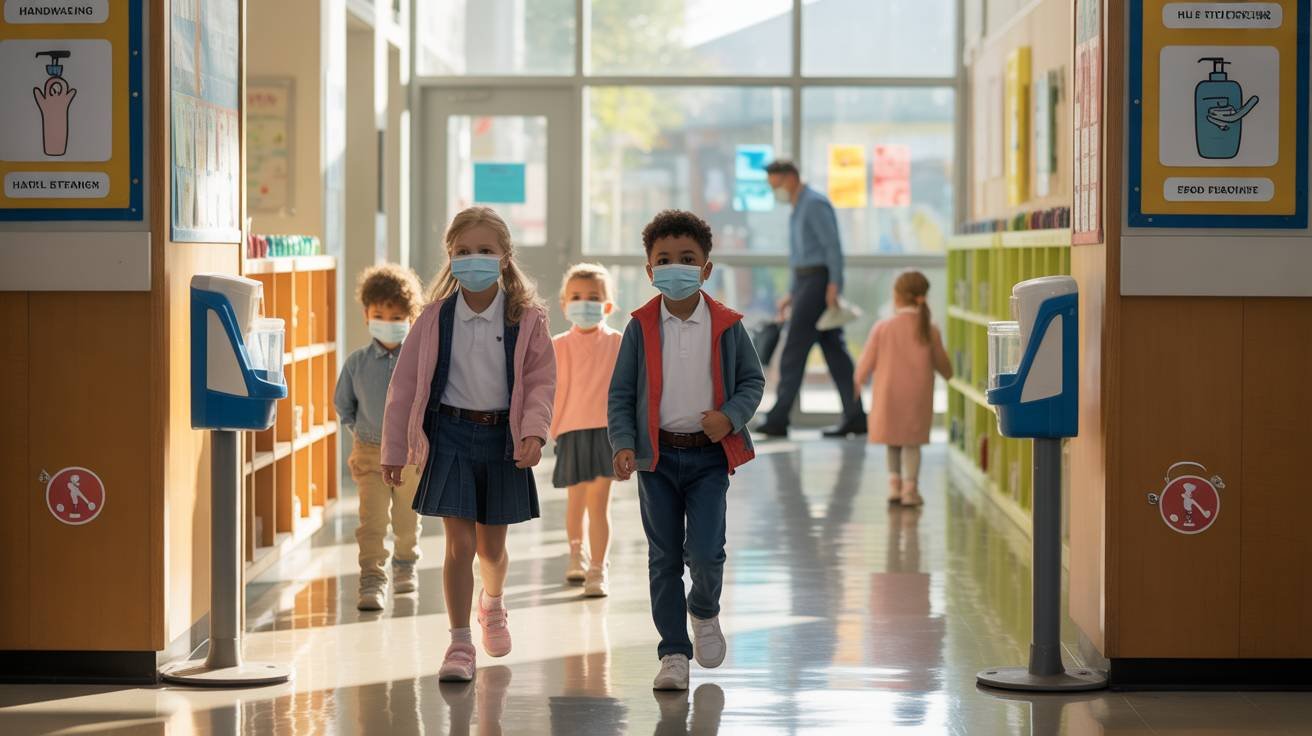
Imagine a classroom where every surface is a potential hotspot for germs. Desks, doorknobs, shared toys – each touch a possible transmission point. Hand hygiene isn’t just a routine; it’s the frontline of defense. The CDC emphasizes that effective handwashing with soap and water for at least 20 seconds can significantly reduce the spread of infections. But it’s not enough to simply have hand sanitizers available; schools and daycare centers must actively promote and monitor handwashing practices. Incorporate fun, engaging activities that teach children the importance of clean hands. Remember, a well-informed child is less likely to become a vector for disease.
2. Respiratory Etiquette: Teaching Proper Coughing and Sneezing
Every cough or sneeze releases droplets that can travel up to six feet, potentially infecting others in its path. Teaching children to cough or sneeze into their elbows or tissues can dramatically reduce airborne transmission. Display colorful posters and conduct interactive lessons to instill these habits. Reinforce the message daily, making it as ingrained as saying “please” and “thank you.” The goal is to create an environment where respiratory etiquette becomes second nature, reducing the likelihood of disease spread.
3. Cleaning, Sanitizing, and Disinfecting: A Layered Approach
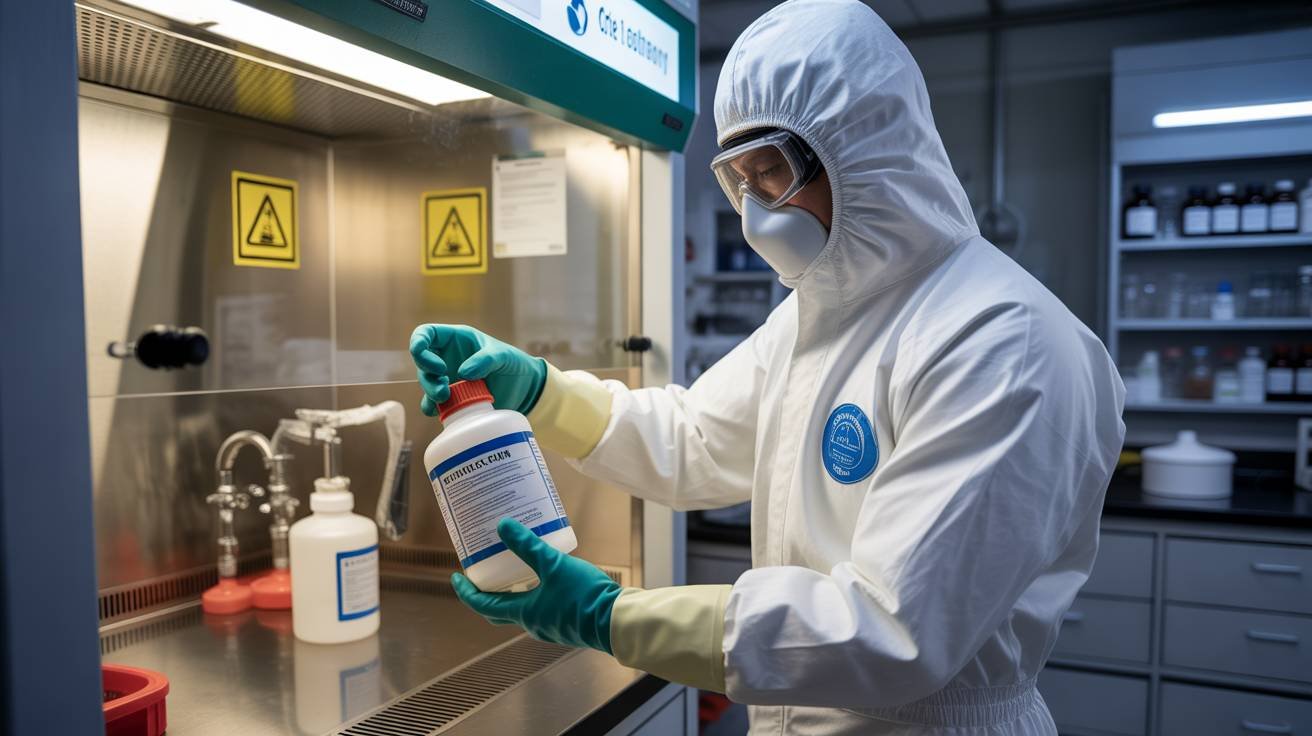
Think of your facility as a fortress. Every surface, every corner, every toy is a potential entry point for pathogens. Regular cleaning removes dirt, but sanitizing and disinfecting kill germs that cleaning leaves behind. The CDC recommends using EPA-approved disinfectants and following the manufacturer’s instructions for application. Pay special attention to high-touch areas like light switches, faucets, and shared equipment. Establish a cleaning schedule that includes both routine and deep cleaning sessions. Remember, consistency is key – disease-causing agents don’t take weekends off, and neither should your cleaning protocols.
4. Ventilation: Breathing Life into Safety
Stale, recirculated air is a breeding ground for airborne pathogens. Improving ventilation can reduce the concentration of infectious particles in the air. Open windows when weather permits, use air purifiers with HEPA filters, and consider installing exhaust fans in high-traffic areas. The CDC highlights that increased airflow can significantly lower the risk of airborne diseases spreading. In classrooms where windows can’t be opened, explore the use of UV-C light systems designed to kill airborne viruses. A well-ventilated space is not just comfortable – it’s a critical component of disease prevention.
5. Vaccinations: Protecting the Herd
Vaccinations are a cornerstone of public health. Ensure that all children and staff are up-to-date on recommended vaccines. This includes not only routine immunizations but also seasonal flu shots and any additional vaccines recommended by health authorities. Create a system to track vaccination records and send reminders to parents and staff. While some may hesitate, the collective protection offered by widespread vaccination is invaluable. Remember, one unvaccinated individual can compromise the health of an entire community.
6. Illness Policies: Clear and Consistent Guidelines
Ambiguity breeds uncertainty, and in the realm of disease prevention, uncertainty can lead to outbreaks. Establish clear illness policies that outline when children and staff should stay home and when they can return. Communicate these policies effectively to parents and staff, ensuring everyone understands the importance of adhering to them. Include guidelines for managing symptoms at school, such as isolating sick individuals and notifying parents promptly. Consistency in enforcing these policies is crucial – exceptions can undermine the entire system.
7. Staff Training: Empowering the Frontline
Your staff are the first responders in the battle against disease spread. Equip them with the knowledge and tools they need to succeed. Provide regular training on hygiene practices, recognizing symptoms of common illnesses, and emergency procedures. Encourage staff to model healthy behaviors for children, as they often mimic adult actions. Create a culture of health and safety where staff feel supported and informed. Remember, an empowered staff is a confident staff, and confidence leads to effective disease prevention.
8. Communication: Keeping Everyone Informed
In times of uncertainty, communication is your strongest ally. Maintain open lines of communication with parents, staff, and health authorities. Use newsletters, emails, and meetings to share updates on health protocols, outbreaks, and preventive measures. Encourage feedback and questions, fostering a collaborative approach to safety. In the digital age, consider implementing a mobile app or online portal where parents can access real-time information about their child’s health status and facility updates. Transparency builds trust, and trust leads to compliance.
9. Emergency Preparedness: Planning for the Unexpected
No matter how robust your preventive measures are, the unexpected can still occur. Develop an emergency preparedness plan that includes procedures for handling outbreaks, natural disasters, and other crises. Ensure that all staff are familiar with the plan and conduct regular drills to practice responses. Establish partnerships with local health authorities and have contingency plans in place for school closures or transitions to remote learning. A well-prepared facility can adapt swiftly to changing circumstances, minimizing disruption and maintaining safety.
10. Alternative Education Colleges: A New Frontier in Safety and Learning
As traditional educational settings continue to grapple with safety challenges, alternative education colleges are emerging as innovative solutions. These institutions often operate with smaller class sizes, flexible schedules, and personalized learning approaches, reducing the density and rigidity that can facilitate disease spread. By embracing alternative education models, schools and daycare centers can create environments that prioritize both health and individualized learning. Explore options like the Evergreen State College or Naropa University, which offer unique educational experiences that may align with your safety and educational goals. Remember, the future of education isn’t just about what is taught – it’s about how and where it’s taught.