In a world where germs lurk on every surface and viruses spread with alarming speed, the urgency of maintaining impeccable personal hygiene has never been more critical. Imagine the invisible army of bacteria and viruses that can invade your body through the most mundane actions – touching a door handle, shaking hands, or even breathing in a crowded room. The consequences? Illnesses ranging from the common cold to severe infections that can disrupt your life in an instant. But here’s the good news: you have the power to defend yourself. By adopting simple yet effective hygiene practices, you can significantly reduce your risk of falling ill and protect those around you. Don’t wait for the next outbreak to take action – start implementing these hygiene habits today and stay one step ahead of the invisible threats that surround us.
Understanding the Importance of Personal Hygiene
Personal hygiene is more than just a routine – it’s a vital practice that safeguards your health and well-being. Every time you wash your hands, brush your teeth, or take a shower, you’re not just cleaning your body; you’re actively preventing the spread of harmful microorganisms that can lead to illness. The Centers for Disease Control and Prevention (CDC) emphasizes that good hygiene practices, such as regular handwashing and covering coughs and sneezes, are essential in reducing the transmission of infectious diseases. By incorporating these habits into your daily life, you create a barrier against the multitude of pathogens that can cause everything from mild discomfort to serious health complications.
The Power of Handwashing: Your First Line of Defense
Handwashing is one of the most effective ways to prevent the spread of infections. Think about all the surfaces you touch daily – doorknobs, smartphones, public transportation poles – and the countless germs they harbor. Each time you touch these surfaces and then your face, you’re introducing potential pathogens into your body. The CDC recommends washing your hands with soap and water for at least 20 seconds, especially after using the restroom, before eating, and after coughing or sneezing. If soap and water aren’t available, an alcohol-based hand sanitizer with at least 60% alcohol can be a suitable alternative. Remember, clean hands are your first line of defense against illness.
Maintaining Oral Hygiene: Protecting Your Mouth and Beyond
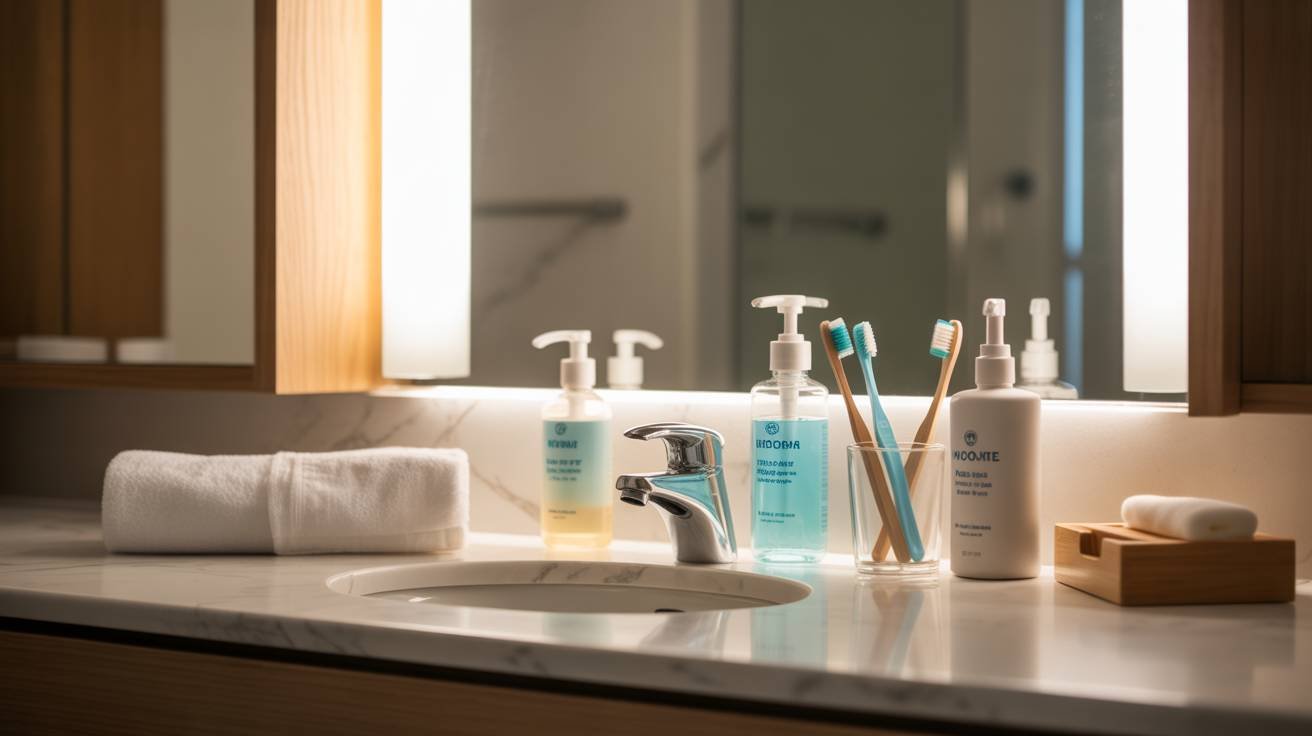
Your mouth is a gateway to your body, and maintaining oral hygiene is crucial in preventing infections. Brushing your teeth at least twice a day and flossing daily helps remove food particles and plaque that can lead to tooth decay and gum disease. But the benefits extend beyond your mouth. Poor oral hygiene has been linked to various health issues, including heart disease and diabetes. By dedicating a few minutes each day to your oral care routine, you’re not just preserving your smile – you’re investing in your overall health.
Showering and Bathing: Keeping Your Body Clean and Healthy
Regular bathing or showering is essential for removing dirt, sweat, and bacteria from your skin. The act of cleansing your body not only refreshes you but also prevents skin infections and body odor. For those with active lifestyles or who live in warmer climates, daily showers may be necessary to maintain hygiene. However, it’s important to use mild soaps and moisturizers to protect your skin’s natural barrier. Over-washing or using harsh products can strip your skin of essential oils, leading to dryness and irritation. Find a balance that works for your skin type and lifestyle to keep your body clean and healthy.
Wearing Clean Clothes: A Simple Yet Effective Hygiene Habit
Your clothing is in constant contact with your skin, and wearing clean clothes plays a significant role in maintaining personal hygiene. Dirty clothes can harbor bacteria and fungi that can cause skin infections or unpleasant odors. It’s essential to change into fresh clothes daily and wash them regularly. Pay special attention to items like socks and underwear, as they can trap moisture and bacteria. By ensuring your clothes are clean, you not only feel more comfortable but also reduce the risk of skin-related health issues.
Disinfecting Common Surfaces: Reducing Germs in Your Environment
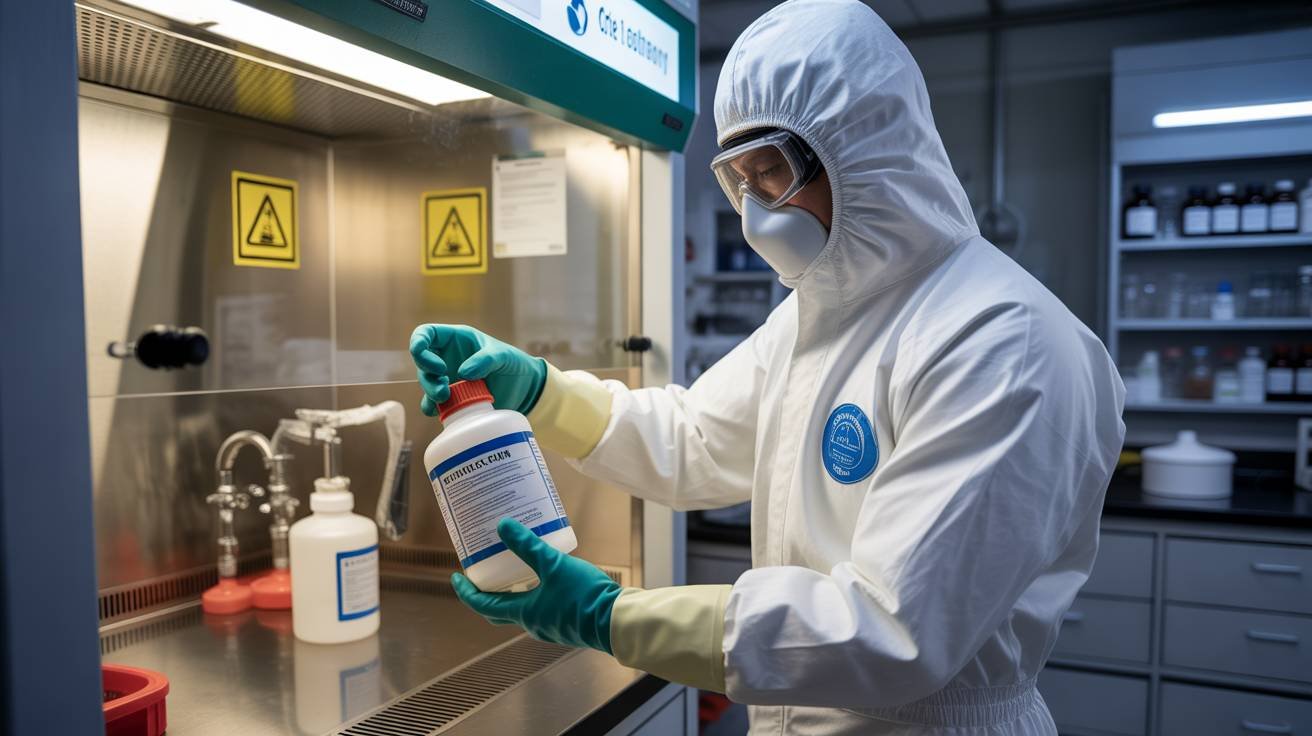
Even if you maintain personal hygiene, your environment can still harbor harmful germs. High-touch surfaces like doorknobs, light switches, and remote controls can be breeding grounds for bacteria and viruses. Regularly disinfecting these surfaces with appropriate cleaning agents can help reduce the spread of infections. The CDC advises cleaning and disinfecting frequently touched surfaces daily, especially in shared spaces. By incorporating this habit into your routine, you create a cleaner and safer environment for yourself and others.
Educating Others: Spreading Hygiene Awareness
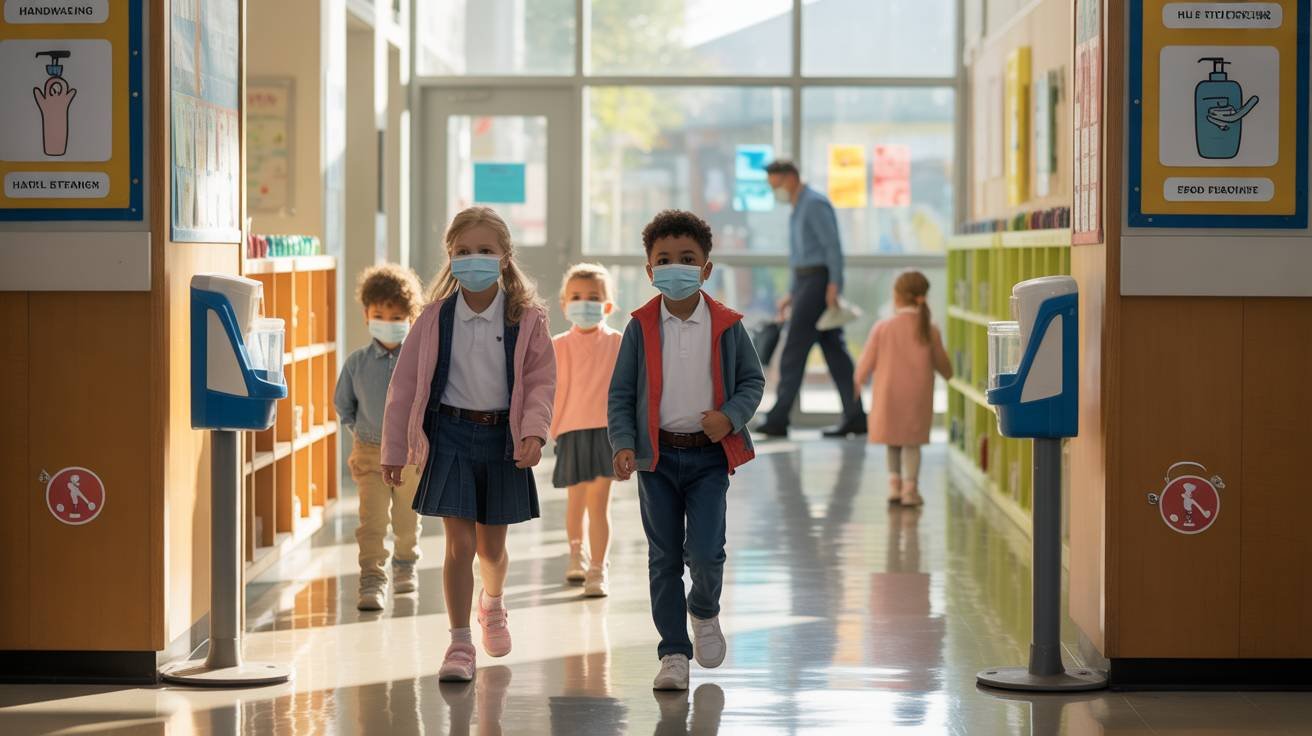
Maintaining personal hygiene is not just an individual responsibility – it’s a communal one. Educating those around you, especially children, about the importance of hygiene can have a significant impact on public health. Teaching proper handwashing techniques, the importance of covering coughs and sneezes, and the need for regular bathing can help instill lifelong healthy habits. Schools and community centers play a vital role in spreading hygiene awareness and can serve as platforms for promoting these essential practices.
Staying Informed: Keeping Up with Hygiene Guidelines
Health guidelines and recommendations can evolve as new information becomes available. It’s crucial to stay informed about the latest hygiene practices and public health advisories. Trusted sources like the CDC and World Health Organization regularly update their guidelines to reflect current research and findings. By keeping abreast of these updates, you ensure that your hygiene practices are based on the most accurate and effective information available.
Taking Action: Implementing Hygiene Practices Today
Now that you understand the importance of personal hygiene and the steps to maintain it, it’s time to take action. Start by incorporating these habits into your daily routine. Set reminders to wash your hands, brush your teeth, and disinfect common surfaces. Educate those around you about the significance of hygiene and encourage them to adopt these practices as well. Remember, maintaining personal hygiene is a proactive approach to health – it not only prevents illness but also promotes overall well-being. Don’t wait for a health scare to motivate you; take control of your health today by committing to better hygiene practices.