
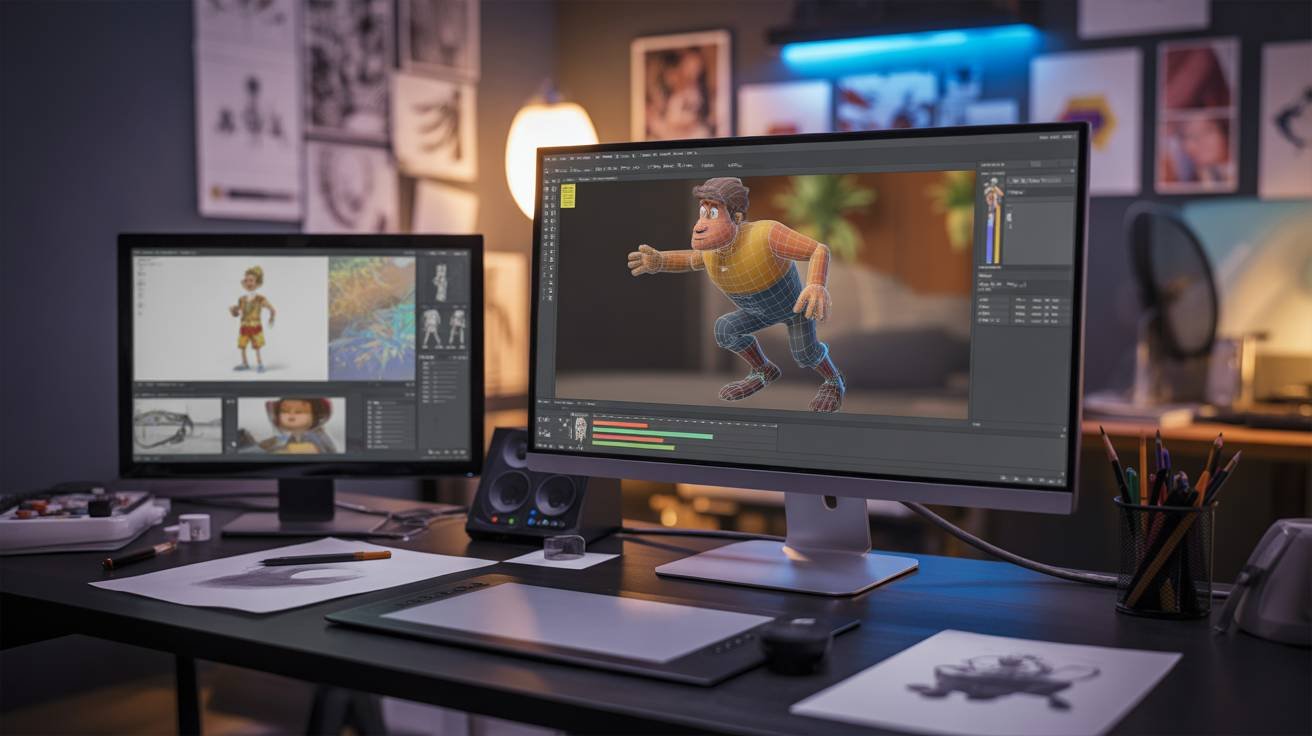
In the fast-paced world of digital creativity, the ability to transform abstract concepts into dynamic visuals is no longer a luxury – it’s a necessity. Animation software has become the cornerstone for artists, designers, and storytellers aiming to captivate audiences with compelling narratives and stunning visuals. Whether you’re a seasoned professional or an aspiring creator, mastering these tools can elevate your work to unprecedented heights. The urgency to harness these technologies is palpable; the digital landscape is evolving, and those who adapt swiftly will lead the charge.
Understanding the Power of Animation Software
Animation software serves as the bridge between imagination and reality, allowing creators to breathe life into static ideas. These tools offer a plethora of features – from intricate character rigging and fluid motion graphics to immersive 3D modeling and realistic physics simulations. The versatility of animation software empowers users to craft everything from simple explainer videos to complex cinematic sequences. For instance, software like Blender provides a comprehensive suite for 3D modeling and animation, while Adobe Animate excels in 2D vector-based animations. The choice of software often depends on the project’s requirements, the creator’s proficiency, and the desired aesthetic outcome.
Moreover, the integration of artificial intelligence and machine learning into animation tools has revolutionized the creative process. AI-driven features can automate repetitive tasks, suggest design improvements, and even generate animations based on textual descriptions. This technological advancement not only streamlines workflows but also opens new avenues for creative exploration. As the industry continues to innovate, staying abreast of these developments is crucial for anyone serious about animation.
Choosing the Right Animation Software for Your Project
Selecting the appropriate animation software is pivotal to the success of any project. The market offers a diverse array of options, each catering to different aspects of animation. For beginners, user-friendly platforms like Toon Boom Harmony and Moho Pro provide intuitive interfaces and robust tutorials, making the learning curve less daunting. These tools are ideal for those starting their journey in animation, offering a balance between functionality and ease of use.
For professionals seeking advanced capabilities, software such as Autodesk Maya and Cinema 4D offer extensive features for 3D modeling, texturing, and rendering. These programs are staples in the industry, used in the production of high-budget films and games. However, they come with a steeper learning curve and require a significant investment of time and resources to master.
It’s also essential to consider the specific needs of your project. If you’re focusing on motion graphics for web or mobile applications, platforms like Adobe After Effects and Lottie Creator are tailored for such tasks. They offer specialized tools for creating interactive animations that enhance user experience. Understanding the strengths and limitations of each software ensures that you choose the best fit for your creative vision.
Mastering the Fundamentals of Animation
Regardless of the software you choose, a solid understanding of animation principles is indispensable. Concepts such as timing, spacing, squash and stretch, and anticipation form the foundation of compelling animations. These principles, established by Disney animators in the 1930s, remain relevant today and are crucial for creating animations that resonate with audiences.
Practicing these fundamentals involves creating simple exercises, such as animating a bouncing ball or a character performing a walk cycle. These exercises help in grasping the nuances of movement and how to convey emotions through animation. As you progress, incorporating more complex actions and interactions will enhance your storytelling abilities.
Additionally, studying the work of accomplished animators and analyzing their techniques can provide valuable insights. Observing how they handle timing, character expressions, and scene composition can inspire and inform your own work. Continuous learning and practice are key to mastering the art of animation.
Leveraging Animation Software for Creative Storytelling
Animation is a powerful medium for storytelling, allowing creators to convey complex narratives in an engaging and accessible manner. The flexibility of animation software enables the creation of diverse storytelling styles, from whimsical cartoons to realistic simulations. By manipulating elements like color, texture, and movement, animators can evoke specific emotions and immerse audiences in their stories.
For example, using a muted color palette and slow movements can create a somber atmosphere, while vibrant colors and fast-paced actions can convey excitement and energy. The ability to control every aspect of the visual presentation gives animators unparalleled creative freedom. This level of control is particularly beneficial in educational contexts, where complex concepts can be simplified and made more relatable through animated visuals.
Furthermore, animation allows for the exploration of abstract ideas and fantastical worlds that might be challenging to depict through live-action. This capability makes animation an invaluable tool in various fields, including education, advertising, and entertainment. By harnessing the power of animation software, creators can craft narratives that captivate and educate audiences simultaneously.
Optimizing Workflow and Efficiency in Animation Production
Efficiency is paramount in animation production, especially when working under tight deadlines or managing multiple projects. Animation software often comes equipped with features designed to streamline workflows and enhance productivity. Tools like timeline editors, asset libraries, and batch processing capabilities allow animators to work more efficiently and maintain consistency across their projects.
Additionally, utilizing templates and reusable assets can significantly reduce production time. Many animation platforms offer pre-designed elements, such as character rigs, backgrounds, and animations, which can be customized to fit the project’s needs. This approach not only saves time but also ensures a cohesive visual style throughout the animation.
Collaboration tools integrated into animation software facilitate teamwork and communication among team members. Features like cloud storage, version control, and real-time feedback mechanisms enable seamless collaboration, even when team members are working remotely. Embracing these tools can lead to more efficient production processes and higher-quality outputs.
Exploring Advanced Techniques in Animation
As you become more proficient in animation, exploring advanced techniques can further enhance the quality and impact of your work. Techniques such as 3D modeling, character rigging, and visual effects can add depth and realism to your animations. Mastering these techniques requires a deep understanding of the software’s capabilities and a commitment to continuous learning.
For instance, 3D modeling involves creating three-dimensional objects and environments, which can then be animated to simulate realistic movements. Character rigging is the process of creating a skeleton structure for a character, allowing for more natural and flexible movements. Visual effects, such as particle systems and fluid simulations, can add dynamic elements to your animations, making them more engaging and visually striking.
While these techniques can be complex and time-consuming, the results can significantly elevate the quality of your animations. Investing time in learning and mastering these advanced techniques can set your work apart and open up new opportunities in the animation industry.
Staying Updated with Industry Trends and Innovations
The animation industry is constantly evolving, with new technologies and trends emerging regularly. Staying informed about these developments is crucial for maintaining a competitive edge. Subscribing to industry publications, attending conferences, and participating in online forums can provide valuable insights into the latest trends and innovations in animation.
Emerging technologies, such as virtual reality (VR) and augmented reality (AR), are beginning to influence the field of animation. These technologies offer new ways to create immersive experiences and interactive storytelling. Understanding how to integrate VR and AR into your animations can open up exciting possibilities and expand your creative horizons.
Additionally, advancements in artificial intelligence are impacting various aspects of animation, from character design to animation generation. Keeping abreast of these developments and exploring how they can be incorporated into your workflow can enhance your efficiency and creativity. Embracing new technologies and trends ensures that your skills remain relevant and that your work continues to resonate with audiences.
Building a Portfolio and Showcasing Your Work
A well-curated portfolio is essential for showcasing your skills and attracting potential clients or employers. Your portfolio should highlight your best work and demonstrate your versatility as an animator. Including a variety of projects, such as short films, commercials, and educational animations, can showcase your range and adaptability.
When creating your portfolio, consider the presentation and user experience. Organize your work into categories, provide context for each project, and ensure that the website or platform hosting your portfolio is easy to navigate. High-quality visuals and clear descriptions can enhance the impact of your portfolio and leave a lasting impression on viewers.
In addition to a traditional portfolio, engaging with online communities and social media platforms can increase your visibility and connect you with a broader audience. Sharing your work on platforms like Instagram, Behance, and LinkedIn can attract feedback, collaborations, and job opportunities. Actively participating in online discussions and forums can also help you stay informed about industry trends and expand your professional network.
Embracing the Future of Animation
The future of animation is bright, with continuous advancements in technology and an ever-expanding array of creative possibilities. Embracing these changes and adapting to new tools and techniques will ensure that you remain at the forefront of the industry. Whether it’s integrating AI into your workflow, exploring immersive technologies like VR and AR, or experimenting with new animation styles, the opportunities are boundless.
As the demand for animated content grows across various industries, the need for skilled animators is more significant than ever. By honing your craft, staying updated with industry trends, and continuously pushing the boundaries of your creativity, you can carve out a successful and fulfilling career in animation. The journey may be challenging, but the rewards are immense for those who are passionate and dedicated to their craft.
If you want to elevate your multimedia projects, exploring blackboard legacy education can provide you with innovative techniques and resources for mastering motion graphics.