The Power of Play in Education: Why It Matters More Than Ever
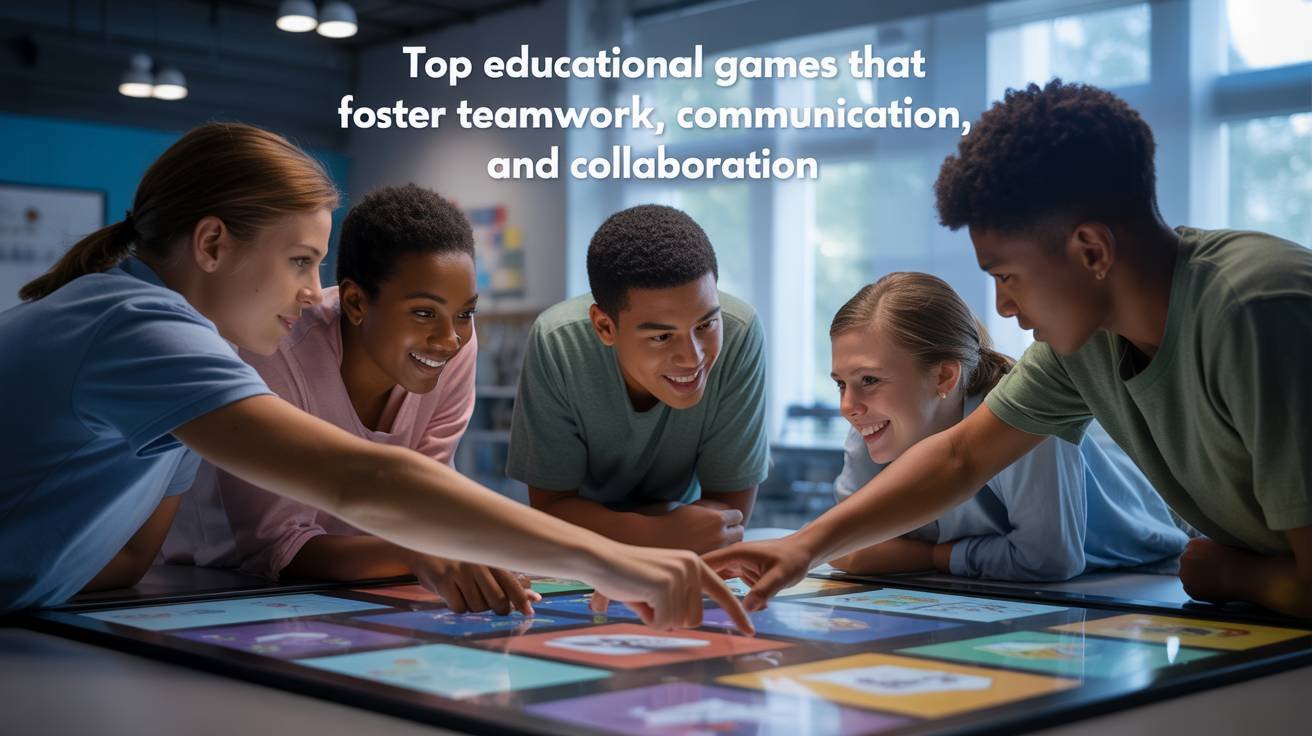
In today’s fast-paced world, where education often competes with an overwhelming array of distractions, finding innovative ways to engage students is more crucial than ever. Educational games have proven to be a powerful tool in capturing students’ attention while simultaneously fostering critical skills such as teamwork, communication, and collaboration. These games are not merely tools for entertainment but are designed to offer students an immersive experience where they can develop social and cognitive abilities in a structured and enjoyable environment. But the question remains – how can we ensure that our students are not only entertained but also learning? The answer lies in the strategic integration of educational games into the curriculum, games that challenge and grow with the student, and games that prepare them for the real world. By engaging in dynamic teamwork and communication, students learn far more than just academic knowledge – they develop the skills that will serve them for a lifetime.
How Collaborative Games Shape Young Minds
The core of most educational games is collaboration. These games emphasize working together toward a common goal, often requiring players to communicate, strategize, and support one another to succeed. Consider the rush of excitement that floods a group when they’re tasked with completing a puzzle or solving a mystery together – these are real-time scenarios that reflect life’s challenges. The added benefit? These situations cultivate key communication skills. From negotiating roles to sharing information effectively, students learn that clear communication isn’t just valuable – it’s essential. Moreover, in collaborative educational games, players must rely on each other, creating a sense of mutual dependence that mimics workplace environments. This is where the magic happens. The skills they hone – like listening, understanding, and team problem-solving – become the backbone of their future success.
The Magic of Teamwork: Collaboration Meets Competition
Incorporating competition into educational games isn’t about creating a divide between players but rather about pushing students to elevate their teamwork skills to new heights. When faced with challenges, students must figure out how to balance their individual strengths and weaknesses with those of their teammates. These challenges often simulate real-world scenarios, where people from different backgrounds, with different expertise, must work together for a shared objective. It’s the essence of teamwork, but with a competitive edge that brings a thrilling sense of urgency. Whether they’re competing in a race to the finish or tackling a series of increasingly complex problems, students are forced to collaborate to stay ahead, making these games both a learning experience and a source of excitement. In a world where communication is key to nearly every career, the lessons learned in such environments are invaluable.
Virtual Reality and the Future of Collaborative Learning
Imagine stepping into a virtual world where you and your team must solve puzzles, break codes, or even explore new environments together. This isn’t a futuristic dream – it’s the reality of virtual and augmented reality-based educational games. With the rise of immersive technology, students can now experience environments and scenarios that were once impossible. These cutting-edge games offer an unprecedented level of engagement, where players must not only think critically but also engage deeply with one another. Whether it’s navigating a virtual city, working on a construction site, or even taking part in historical events, VR allows students to learn through experience. This technology has the potential to revolutionize collaborative learning, as it requires players to rely on each other’s expertise, boosting communication and teamwork. The impact of this technological leap on education is undeniable, and those who embrace it now will undoubtedly be ahead of the curve.
Why “Where Education Village” Is a Game-Changer for Teamwork
One of the most exciting educational platforms emerging today is “Where Education Village,” an interactive learning hub that integrates a wide variety of educational games designed to foster teamwork, communication, and collaboration. Through the use of game mechanics, it brings students together in a virtual space, challenging them to solve real-world problems and engage with one another in new, exciting ways. By participating in these games, students experience the thrill of cooperative learning while also gaining the critical thinking skills they need for academic and professional success. This platform is a beacon for educators seeking new methods to teach students the importance of collaboration, and its ever-expanding library of games makes it an invaluable resource. As the world becomes increasingly connected, students who engage with platforms like “Where Education Village” are positioning themselves for success in a collaborative, digital world.
The Top Games That Promote Collaboration
What are the best games to foster teamwork and communication? It’s not just about having fun – these games are specifically designed to enhance learning through collaboration. Take, for example, the game “Escape the Room.” Players are locked in a room and must solve a series of interconnected puzzles to escape before time runs out. This game requires players to pool their knowledge, communicate effectively, and divide tasks based on individual strengths. Another highly popular game is “TeamQuest,” where players must navigate through various challenges while maintaining constant communication with their teammates. These games don’t just promote academic growth – they offer real-world applications of how important teamwork is in every facet of life. As technology advances, more of these games will become available, offering even more immersive and interactive learning experiences.
Real-World Success Stories: How Educational Games Transform Teamwork
When students get involved with educational games, they often report feeling a newfound sense of accomplishment and pride in their teamwork abilities. For instance, at Lincoln Middle School, a recent study found that after students participated in collaborative educational games, there was a significant increase in group projects and overall class participation. The students who took part in these activities displayed better communication skills and had a greater ability to navigate complex group dynamics. These positive results were not isolated, either. In numerous schools around the world, educators have noted that educational games help students who might struggle with traditional learning methods thrive in collaborative settings. What these success stories show is that, when implemented correctly, educational games can be a catalyst for improvement in both academic performance and personal development. The growing body of evidence suggests that educational games are not just a trend but a shift in the way we approach learning.
The Importance of Inclusivity in Collaborative Educational Games
Another crucial aspect of educational games that foster teamwork and communication is their ability to bring people together from diverse backgrounds and learning styles. These games promote inclusivity by creating environments where everyone has an equal opportunity to contribute. Players with varying skill sets and strengths can come together to complement each other’s abilities, encouraging empathy and understanding. In the classroom, this can lead to a more harmonious learning environment where every student feels valued. Educational games also break down social barriers by allowing students to work with peers they might not have interacted with otherwise, expanding their social networks and helping to build a more cohesive classroom community. It’s a reminder that education isn’t just about mastering academic subjects; it’s about learning to work together in a way that reflects the diverse world we live in.
The Urgency of Adopting Collaborative Games Now
As technology continues to advance, the urgency to incorporate educational games into the learning process grows ever more apparent. The world is becoming more connected, and the need for effective communication, teamwork, and collaboration has never been more crucial. Waiting to implement these games means potentially falling behind in preparing students for the challenges they’ll face in the future. The benefits are clear – students who learn how to work together, think critically, and communicate effectively are better prepared for the workplace, for higher education, and for life. This is why it’s essential for educators and parents to jump on the bandwagon now, embracing educational games that promote collaboration and communication. The time to act is now – don’t let your students miss out on the opportunity to develop these vital skills.