
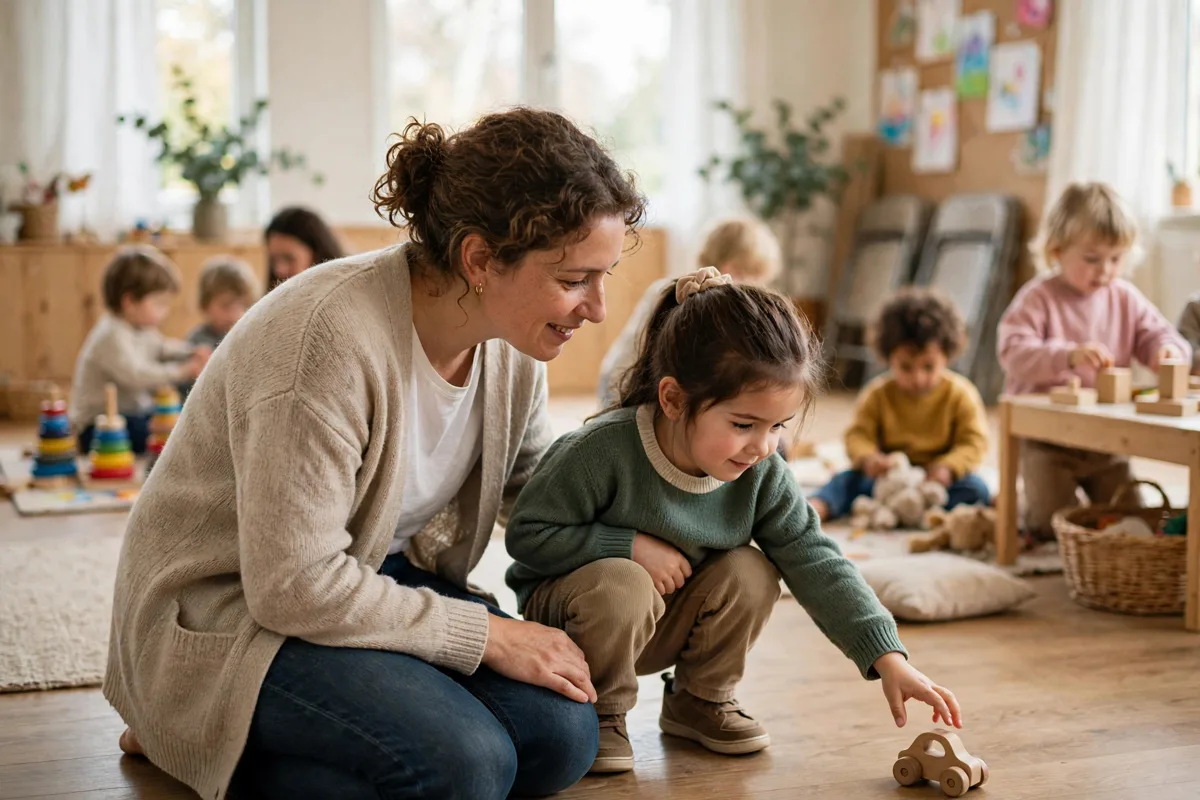
Every parent knows the moment: your child hides behind your legs at a family gathering, whispers answers at school, or watches other children play instead of joining in. Shyness itself is not a problem to fix — many shy children grow into thoughtful, observant adults — but when shyness holds a child back from things they genuinely want to do, gentle support makes a real difference. If you want to help a shy child build confidence, the good news is that confidence is not a fixed trait. It grows through small, repeated experiences of success, and parents are perfectly placed to create those experiences at home, at school, and everywhere in between.
What Shyness Really Is (and What It Is Not)
Shyness is a temperament, not a flaw. Shy children tend to be cautious in new situations, take longer to warm up to unfamiliar people, and feel social situations more intensely than outgoing children do. That caution often comes with strengths: shy children are frequently careful listeners, deep thinkers, and loyal friends once they feel safe.
It helps to separate shyness from low confidence. A child can be quiet by nature yet perfectly secure in themselves. The warning signs that confidence needs support are different: avoiding activities they used to enjoy, negative self-talk such as “I’m no good at this,” distress before school or social events, and giving up quickly when something feels hard. Those patterns — not quietness itself — are what the strategies below are designed to change.
Start With Connection, Not Correction
The foundation of confidence is a child feeling accepted exactly as they are. Avoid labelling your child in front of others — saying “she’s just shy” in conversation teaches them that shyness is their identity rather than one feeling among many. Instead, narrate their strengths: “You noticed that game looked fun. You watched carefully before joining, and then you played for ages.”
Daily connection matters more than occasional big talks. Ten minutes of undivided attention — following their lead in play, listening without fixing — fills the emotional tank that children draw on when they face something daunting. A child who feels securely connected at home has a safe base to return to, which is precisely what makes stepping out into the world feel manageable.
Build Confidence Through Small, Winnable Challenges
Confidence grows from evidence: a child believes “I can do hard things” because they have repeatedly done slightly-hard things and succeeded. The key word is slightly. Challenges that are too big produce failure and confirm the child’s fears; challenges that are too small teach nothing.
Try a ladder approach. If speaking to a shop assistant feels enormous, start with waving to a neighbour, then saying hello to a familiar shopkeeper, then handing over money, and only later asking a question. Each rung should feel like a small stretch, not a leap. Praise the attempt warmly and specifically — “You felt nervous and you said hello anyway. That was brave” — because naming the courage, not just the result, teaches children that bravery means acting while nervous, not waiting for the nerves to disappear. The same ladder works beautifully for schoolwork and new skills, as our guide to supporting cognitive and academic growth in young learners explains.
Give Them Real Responsibilities and Real Praise
Children build self-belief when they are genuinely useful. Age-appropriate responsibilities — feeding a pet, helping cook dinner, being in charge of the shopping list, teaching a younger sibling a game — send a powerful message: “You are capable, and this family relies on you.” This kind of everyday competence is closely tied to encouraging independence, accountability, and self-discipline in kids, and it transfers surprisingly well to the classroom.
When you praise, be specific and honest. Generic praise (“You’re brilliant!”) is easy for children to discount. Specific praise (“You kept practising that song until the tricky part worked”) tells them exactly what they did well and that effort produces results. Avoid comparing them with siblings or classmates; confidence grows from beating your own yesterday, not from beating other people.
Prepare for Social Situations Instead of Avoiding Them
Avoidance is shyness’s best friend: every dodged party makes the next one scarier. Preparation is the alternative. Before a social event, talk through what will happen — who will be there, what activities are likely, how long you will stay. Rehearse small scripts at home: how to ask to join a game, what to say if someone asks their name, how to politely leave a conversation. Role-play feels silly and works brilliantly.
On the day, arrive early if you can. Walking into a room that is already full and loud is the hardest version of any event; arriving while it is still calm lets a shy child settle before the group forms. Agree on a quiet signal your child can use if they need a break, and honour it without drama. Knowing there is an exit makes staying much easier — a principle that also applies when you are creating a safe and stimulating learning environment at home, where children need both challenge and a retreat.
Help Them Find Their Thing
Confidence is often domain-specific: a child who is silent in a big group may shine in a small coding club, on a football team, or with a sketchbook. Your job is to help them sample enough activities to find one where they feel competent and where the social group is small and interest-based — the easiest kind of socialising there is, because the activity does the talking.
Follow their genuine interests rather than your own preferences, keep groups small at first, and give any new activity a fair trial of several sessions before deciding it is not for them. Mastery in one area has a habit of leaking into others: the child who becomes “the one who is great at drawing” starts to carry that identity into the playground too. Creative pursuits are especially powerful here, as we explored in our guide to encouraging children’s curiosity about science and nature — curiosity-driven activities reward the careful, observant style that shy children naturally have.
Model Confidence and Talk About Your Own Nerves
Children learn how to handle nervousness by watching you handle yours. Let them see you prepare for a presentation, admit you feel butterflies before meeting new people, and go anyway. Narrate it lightly: “I don’t know anyone at this event either. I’m going to introduce myself to one person and ask about their work.” This normalises nervousness as a universal feeling rather than a personal defect.
Problem-solving plays a part too. When social hiccups happen — a game that went wrong, a friend who was unkind — resist the urge to simply rescue. Talk it through together using the same calm steps you would use for teaching children problem-solving skills in everyday life: what happened, how did it feel, what could you try next time? Each worked-through setback becomes evidence that problems are survivable.
When to Seek Extra Support
Most shyness responds to patient, steady support at home. Consider talking to your child’s teacher, a school counsellor, or a child psychologist if shyness is causing significant distress, your child is avoiding school or all social contact, physical symptoms such as stomach aches appear before social events, or things are not improving after several months of consistent support. There is no weakness in getting help — it is simply another form of the same advocacy you are already showing by reading this.
To help a shy child build confidence, you do not need to change who your child is. You need to give them acceptance at home, small winnable challenges, real responsibilities, preparation instead of avoidance, and an activity where they can shine. Do those things consistently, and you will usually find that the quiet child who hid behind your legs starts — at their own pace, in their own style — stepping forward.