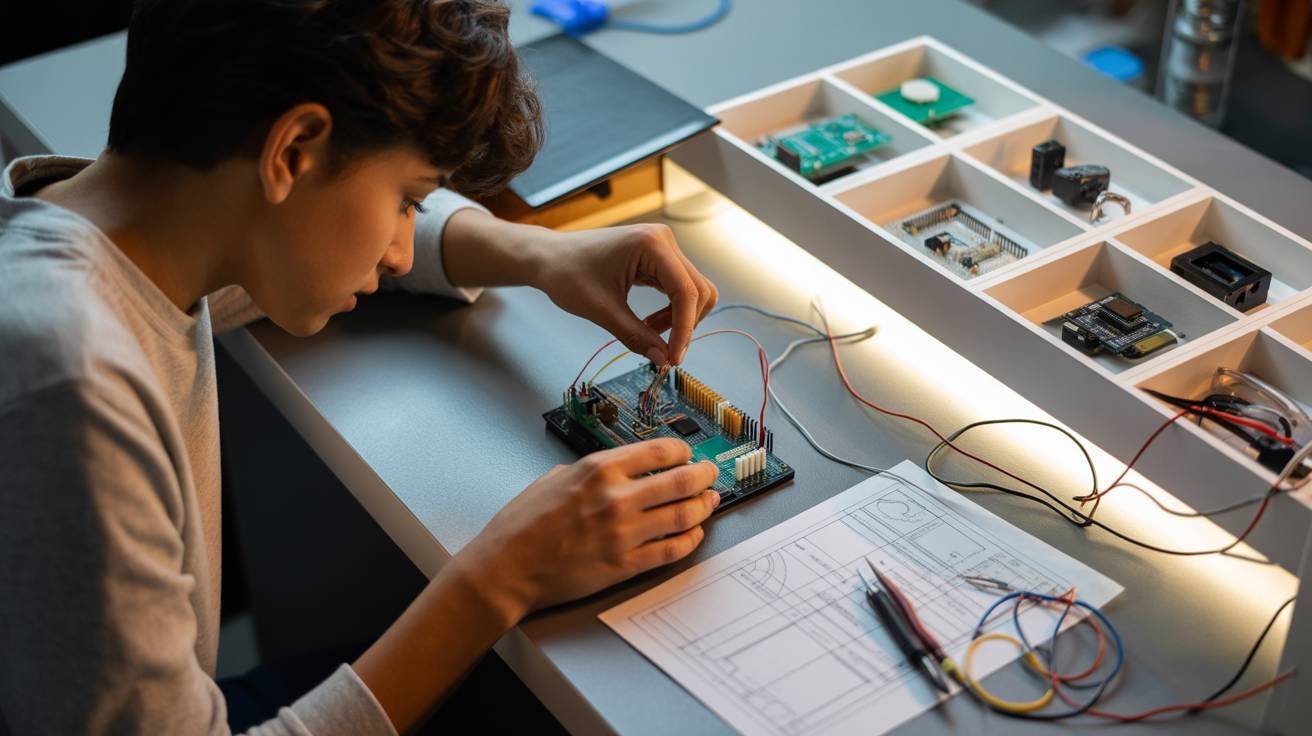

In today’s fast-paced world, fostering independence, accountability, and self-discipline in children isn’t just beneficial – it’s imperative. These traits are the bedrock upon which confident, resilient, and successful individuals are built. Yet, many parents find themselves overwhelmed, unsure of where to start or how to maintain momentum. The urgency is palpable: without intentional guidance, children may struggle to develop these essential life skills, potentially hindering their future success. The clock is ticking, and the window to instill these values is narrowing. Don’t let your child miss out on the transformative power of self-reliance.
1. Establishing Predictable Routines
Imagine a child waking up each day to a world of uncertainty, where the sequence of events is unpredictable. The chaos can be overwhelming, leading to anxiety and a lack of control. Establishing predictable routines provides a structured environment where children know what to expect and when. This consistency fosters a sense of security and helps children develop time-management skills. For instance, setting regular times for meals, homework, and bedtime creates a rhythm that children can anticipate and rely upon. As they internalize these routines, they learn to manage their time effectively, a crucial component of self-discipline. The impact is profound: children become more organized, less stressed, and better equipped to handle life’s challenges.
2. Encouraging Independent Decision-Making
Every day presents countless opportunities for children to make choices, from selecting their clothes to deciding on extracurricular activities. By empowering children to make decisions, parents nurture their autonomy and confidence. Start with simple choices, such as allowing them to choose between two outfits or pick a book to read. As they grow, involve them in more significant decisions, like planning a family outing or managing their allowance. This practice teaches children to weigh options, consider consequences, and take responsibility for their choices. The ability to make informed decisions is a cornerstone of accountability and self-discipline, equipping children with the skills to navigate complex situations with confidence.
3. Assigning Age-Appropriate Chores
Chores are more than just tasks to keep the house clean – they are vital tools for teaching responsibility and accountability. Assigning age-appropriate chores helps children understand the importance of contributing to the household and taking ownership of their actions. Simple tasks like setting the table, feeding pets, or organizing their toys instill a sense of duty and accomplishment. As children complete these tasks, they learn the value of hard work and the satisfaction of a job well done. Over time, these experiences build a strong work ethic and a sense of pride in their contributions. The skills gained through chores extend beyond the home, preparing children for future responsibilities in school and beyond.
4. Modeling Desired Behaviors
Children are keen observers, often mirroring the behaviors they see in adults. To cultivate independence, accountability, and self-discipline, parents must model these traits consistently. Demonstrate time management by adhering to schedules, show accountability by owning up to mistakes, and practice self-discipline by setting and achieving personal goals. When children witness these behaviors, they are more likely to adopt them as their own. For example, if a parent consistently meets deadlines and manages time effectively, the child learns the importance of punctuality and organization. Modeling desired behaviors creates a living example for children to emulate, reinforcing the values parents wish to instill.
5. Providing Constructive Feedback
Feedback is a powerful tool for growth, but it must be constructive to be effective. Praise efforts rather than innate abilities, and provide specific feedback that guides improvement. For instance, instead of saying, “You’re so smart,” say, “I appreciate how you tackled that challenging problem by breaking it down step by step.” This approach encourages a growth mindset, where children understand that effort leads to improvement. Constructive feedback helps children recognize their strengths and areas for growth, fostering a sense of accountability for their learning and development. By focusing on the process rather than the outcome, parents teach children the value of perseverance and resilience.
6. Allowing Natural Consequences
While it may be tempting to shield children from failure, experiencing natural consequences is an essential part of learning. When children face the repercussions of their actions, they gain a deeper understanding of responsibility. For example, if a child forgets to complete their homework, allowing them to experience the consequences at school teaches them the importance of preparation and time management. These experiences, though sometimes uncomfortable, are invaluable lessons in accountability. By stepping back and allowing children to face natural consequences, parents empower them to take ownership of their actions and learn from their mistakes.
7. Encouraging Goal Setting
Setting goals provides children with a clear direction and a sense of purpose. Encourage children to set both short-term and long-term goals, and guide them in creating actionable plans to achieve them. Whether it’s aiming to improve a grade in a subject or learning a new skill, goal setting teaches children to prioritize tasks and manage their time effectively. Celebrate milestones along the way to reinforce their efforts and build confidence. The process of setting and achieving goals fosters self-discipline, as children learn to stay focused and motivated in the pursuit of their objectives. Goal setting transforms abstract aspirations into tangible achievements, instilling a sense of accomplishment and pride.
8. Promoting Self-Reflection
Self-reflection is a critical component of personal growth. Encourage children to regularly reflect on their actions, decisions, and experiences. This practice helps them develop self-awareness and understand the impact of their behavior on themselves and others. Journaling, discussions, or guided questions can facilitate this process. For example, asking questions like, “What went well today?” or “What would you do differently next time?” prompts children to think critically about their actions. Self-reflection fosters accountability, as children learn to assess their behavior and make adjustments for future situations. By promoting this habit, parents equip children with the tools to become self-directed learners and responsible individuals.
9. Supporting Emotional Regulation
Emotional regulation is integral to self-discipline. Children must learn to manage their emotions, especially in challenging situations. Teach strategies such as deep breathing, counting to ten, or taking a break when feeling overwhelmed. By providing children with tools to regulate their emotions, parents help them respond thoughtfully rather than react impulsively. Emotional regulation enhances accountability, as children become aware of how their emotions influence their behavior. Supporting emotional regulation fosters resilience, enabling children to navigate life’s ups and downs with composure and confidence.
10. Celebrating Effort and Progress
Recognizing and celebrating effort and progress reinforces the behaviors parents wish to encourage. Acknowledge not just the end result, but the hard work and perseverance that led to it. Celebrating milestones, no matter how small, boosts children’s confidence and motivates them to continue striving toward their goals. For instance, praising a child’s consistent effort in practicing a musical instrument, regardless of their current skill level, emphasizes the value of dedication and persistence. Celebrating effort and progress fosters a growth mindset, where children understand that their abilities can improve through hard work and determination.