In the world of industrial operations, laboratories, and manufacturing plants, the handling of chemicals and hazardous materials is an everyday reality. Yet, beneath the routine lies a constant undercurrent of risk. The faint scent of volatile solvents, the subtle hum of ventilation systems working overtime, and the ever-present awareness of potential hazards create an environment where safety isn’t just a protocol – it’s a lifeline. Without stringent safety measures, the consequences can be catastrophic. From chemical burns to environmental disasters, the stakes are high. This urgency underscores the importance of comprehensive safety protocols and training programs, such as those offered by BARR Education, which provide essential knowledge and skills to mitigate these risks.
Understanding Chemical Hazards: The Invisible Threats
Chemicals and hazardous materials are not always as overt as a fiery explosion or a visible spill. Often, their dangers are invisible – silent and insidious. Vapors from volatile substances can permeate the air, going unnoticed until it’s too late. Prolonged exposure to certain chemicals can lead to chronic health issues, such as respiratory problems, neurological damage, or even cancer. The risk isn’t confined to industrial settings; even household products, when mishandled, can pose significant threats. For instance, mixing bleach with ammonia releases toxic chloramine vapors, a danger many are unaware of. This highlights the critical need for education and training in chemical safety. Programs like BARR Education play a pivotal role in equipping individuals with the knowledge to recognize and mitigate these invisible hazards, ensuring safety in various environments.
Personal Protective Equipment (PPE): Your First Line of Defense
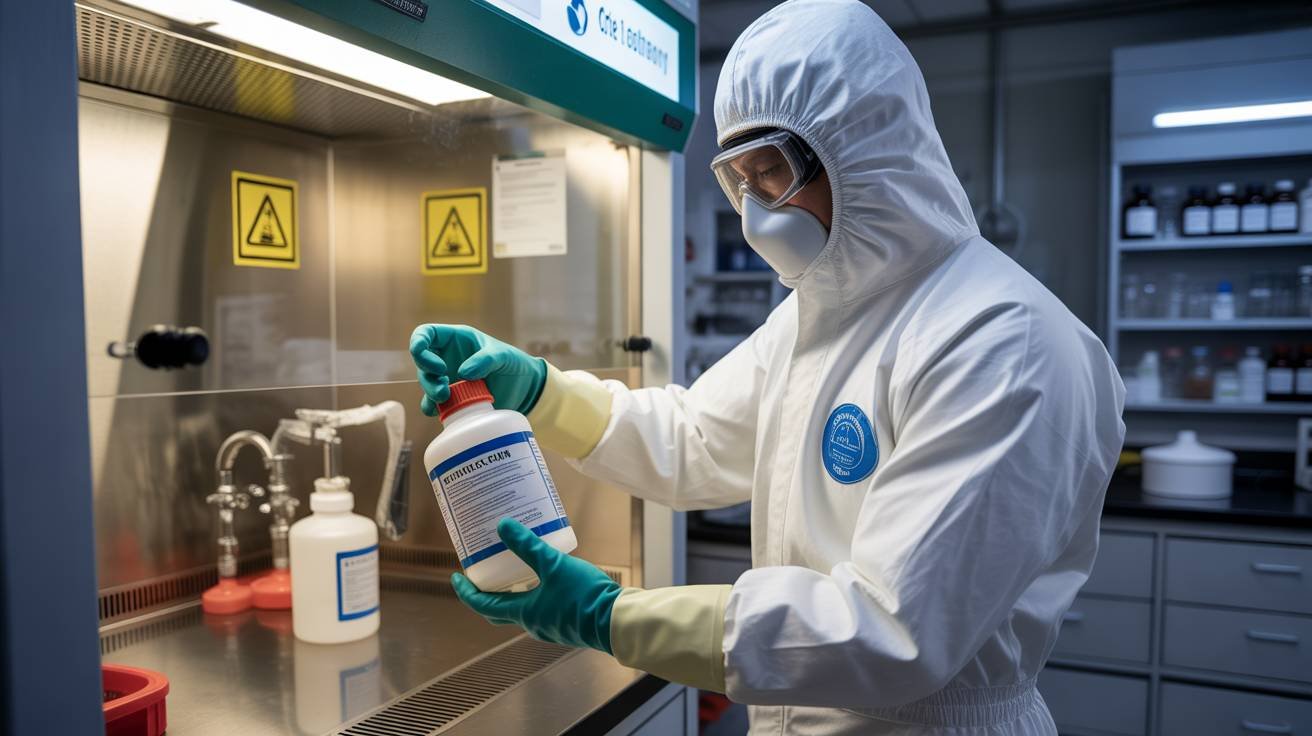
Imagine standing in a lab, the air thick with the acrid scent of chemicals. A single misstep – an accidental splash, a forgotten glove – could lead to severe injury. This is where Personal Protective Equipment (PPE) becomes indispensable. PPE acts as a barrier between you and the hazardous substances you work with. Depending on the nature of the chemicals, this may include gloves, goggles, face shields, lab coats, respirators, and full-body suits. The selection of appropriate PPE is not arbitrary; it must be tailored to the specific risks associated with the chemicals in use. For example, handling corrosive acids requires acid-resistant gloves and face shields, while working with volatile solvents necessitates flame-retardant clothing and proper ventilation. The importance of proper PPE cannot be overstated. It’s not just about compliance; it’s about preserving health and preventing life-altering injuries. Training programs like BARR Education emphasize the significance of PPE, ensuring that individuals understand its proper use and maintenance, thereby reinforcing a culture of safety.
Proper Storage and Labeling: Preventing Accidents Before They Happen
Accidents often begin with neglect – improper storage, unclear labeling, or disorganized workspaces. Chemicals should never be stored haphazardly. Flammable substances must be kept away from heat sources, acids should be separated from bases, and incompatible chemicals should never be stored together. Proper labeling is equally crucial. Every container should have a clear, legible label indicating its contents, hazards, handling instructions, and emergency procedures. This information is vital during emergencies, ensuring that responders can take appropriate actions swiftly. The significance of proper storage and labeling extends beyond preventing accidents; it also facilitates compliance with regulatory standards and promotes a culture of safety. Training programs like BARR Education provide comprehensive guidance on these practices, ensuring that individuals are well-versed in the importance of proper chemical storage and labeling, and are equipped to implement these practices effectively.
Ventilation Systems: The Unsung Heroes of Safety
In many environments, especially laboratories and industrial settings, ventilation systems are the silent protectors. They work tirelessly to remove harmful fumes, vapors, and airborne contaminants, maintaining air quality and reducing the risk of inhalation injuries. However, these systems require regular maintenance to function effectively. Filters must be changed, ducts cleaned, and airflow patterns monitored. A malfunctioning ventilation system can lead to the accumulation of toxic substances in the air, posing significant health risks. The importance of a well-maintained ventilation system cannot be overstated. It’s not just about comfort; it’s about health and safety. Training programs like BARR Education highlight the critical role of ventilation systems in chemical safety, educating individuals on how to monitor and maintain these systems to ensure a safe working environment.
Emergency Response Plans: Preparing for the Worst
No matter how stringent safety measures are, emergencies can still occur. Spills, leaks, fires, or exposure incidents can happen without warning. This is why having a comprehensive emergency response plan is essential. Such a plan outlines the steps to take in the event of an incident, including evacuation procedures, first aid measures, and communication protocols. Regular drills should be conducted to ensure that everyone knows their role and can act swiftly and efficiently during an emergency. The effectiveness of an emergency response plan hinges on preparation and practice. It’s not enough to have a plan; individuals must be trained to execute it under pressure. Programs like BARR Education provide training that includes emergency response procedures, ensuring that individuals are prepared to handle hazardous situations effectively and safely.
Waste Disposal: Closing the Safety Loop
Improper disposal of hazardous materials is not only illegal but also environmentally irresponsible. Chemicals should never be poured down drains, thrown in regular trash, or released into the environment. Instead, they must be disposed of through approved channels, such as licensed hazardous waste disposal services. Containers should be triple-rinsed, labeled as empty, and disposed of according to local regulations. The significance of proper waste disposal extends beyond legal compliance; it also protects the environment and public health. Training programs like BARR Education emphasize the importance of responsible waste disposal practices, educating individuals on how to handle and dispose of hazardous materials safely and in accordance with regulations, thereby contributing to a safer and more sustainable environment.
Continuous Education and Training: Staying Ahead of Risks
The landscape of chemical safety is ever-evolving. New chemicals are introduced, regulations change, and best practices are updated. Continuous education and training are essential to stay informed and prepared. Programs like BARR Education offer ongoing training opportunities, ensuring that individuals remain knowledgeable about the latest safety protocols and regulations. Regular training sessions help reinforce safety practices, address emerging risks, and foster a culture of safety within organizations. The commitment to continuous education demonstrates a proactive approach to safety, recognizing that complacency is the enemy of prevention. By investing in ongoing training, individuals and organizations can stay ahead of potential risks and ensure a safe working environment for all.
Real-World Impact: Success Stories from BARR Education
The effectiveness of safety measures and training programs is best demonstrated through real-world outcomes. Schools and organizations that have implemented comprehensive safety protocols and participated in training programs like BARR Education have reported significant improvements in safety culture and incident reduction. For instance, a study by the National Institute of Environmental Health Sciences found that organizations with regular hazardous materials training experienced fewer workplace injuries and illnesses. These success stories underscore the importance of investing in safety education and training. They serve as a testament to the positive impact that well-implemented safety measures can have on individuals and organizations. By sharing these success stories, others can learn from best practices and be inspired to adopt similar safety protocols, contributing to a broader culture of safety across various industries.