
Imagine walking through a bustling public space – perhaps a park, a shopping mall, or a busy street – and suddenly, a chemical spill occurs. The air thickens with a pungent, acrid scent, and a sense of panic ripples through the crowd. This isn’t a scene from a disaster movie; it’s a potential reality that can unfold in any public area. The urgency to understand and implement safety measures when handling chemicals and hazardous materials in such spaces cannot be overstated. Without proper education and preparation, the consequences can be catastrophic.
In this article, we delve deep into the essential safety tips for managing hazardous substances in public spaces. From understanding the risks to implementing preventive measures, this guide is designed to equip you with the knowledge to act swiftly and effectively. Don’t wait for an incident to occur – arm yourself with the information that could make all the difference.
Understanding the Risks: Why Chemical Safety in Public Spaces Matters
Every day, countless chemicals are transported, stored, and used in public spaces. Cleaning agents, pesticides, and even industrial byproducts are commonplace. While these substances serve essential purposes, they also pose significant risks if mishandled. A single spill can lead to contamination of water sources, harm to wildlife, and health hazards for the public.
Consider the 1984 Bhopal disaster, where a chemical leak led to thousands of deaths and long-term health issues for the surrounding population. This tragedy underscores the importance of stringent safety protocols and the need for public education on chemical hazards. By understanding the risks, communities can better prepare and respond to potential incidents.
Proper Storage and Labeling: The First Line of Defense
Safe storage of chemicals is paramount in preventing accidents. In public spaces, chemicals should be stored in secure, well-ventilated areas away from high-traffic zones. Containers must be clearly labeled with hazard symbols and handling instructions to ensure that anyone who comes into contact with them is aware of the potential dangers.
For instance, flammable substances should be stored in fire-resistant cabinets, while corrosive materials need to be kept in acid-resistant containers. Regular inspections are essential to check for leaks, deterioration, or expired substances. Implementing a robust inventory system can help track the age and condition of chemicals, ensuring timely disposal of outdated materials.
Personal Protective Equipment (PPE): Shielding Yourself from Harm
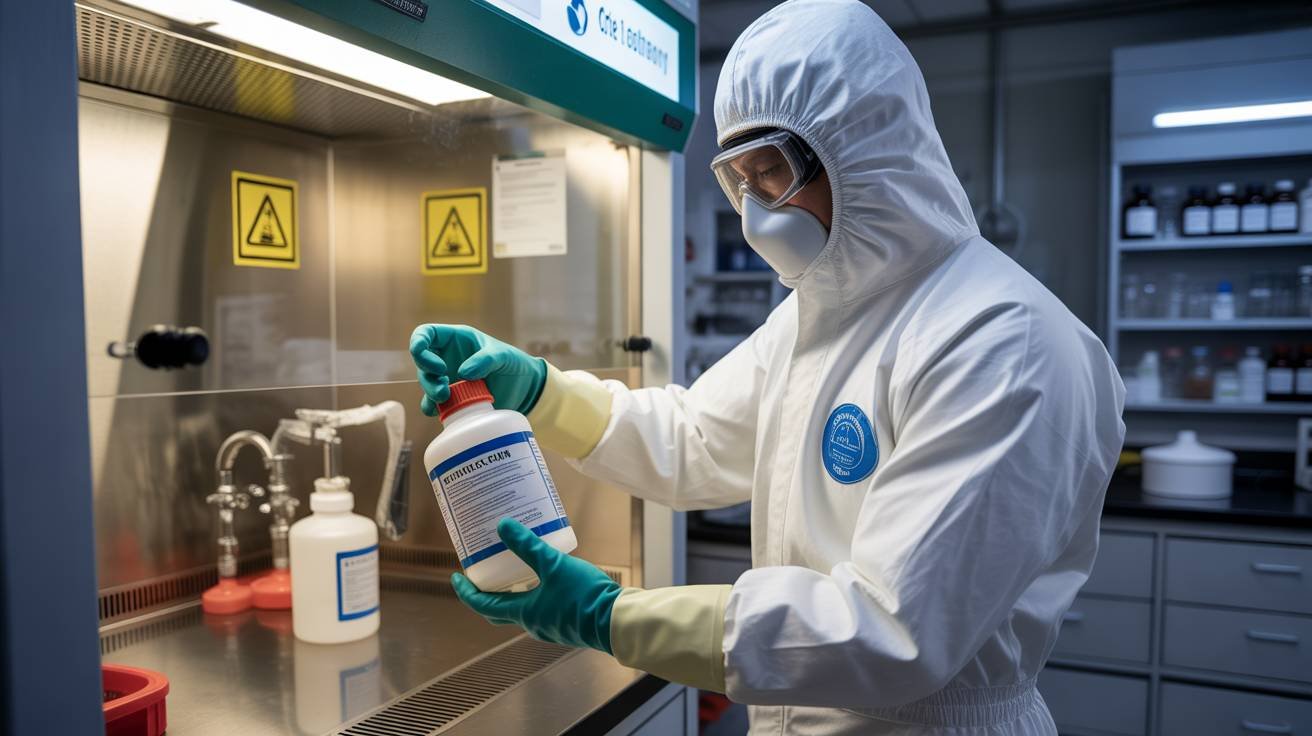
When handling hazardous materials, wearing appropriate PPE is non-negotiable. Gloves, goggles, face shields, and protective clothing form the barrier between you and potential chemical exposure. The type of PPE required depends on the specific hazards associated with the material in question.
For example, when dealing with corrosive substances, acid-resistant gloves and aprons are essential to prevent skin burns. In contrast, handling volatile chemicals may necessitate flame-retardant clothing and respiratory protection. It’s crucial to receive proper training on selecting and using PPE to ensure maximum protection.
Spill Response Protocols: Acting Quickly to Mitigate Damage
Even with the best precautions, spills can happen. Having a well-defined spill response plan is critical to minimize harm. This plan should include immediate actions such as evacuating the area, notifying emergency services, and containing the spill to prevent its spread.
For instance, using absorbent materials like sand or specialized pads can help contain liquid spills. In the case of gas leaks, ventilating the area and using gas detectors can aid in assessing the situation. Regular drills and training sessions can ensure that everyone knows their role and can respond effectively under pressure.
Community Education: Empowering the Public with Knowledge
Education plays a pivotal role in chemical safety. Communities should be informed about the types of chemicals present in their environment, the associated risks, and the steps they can take to protect themselves. Public workshops, informational brochures, and online resources can serve as valuable tools in spreading awareness.
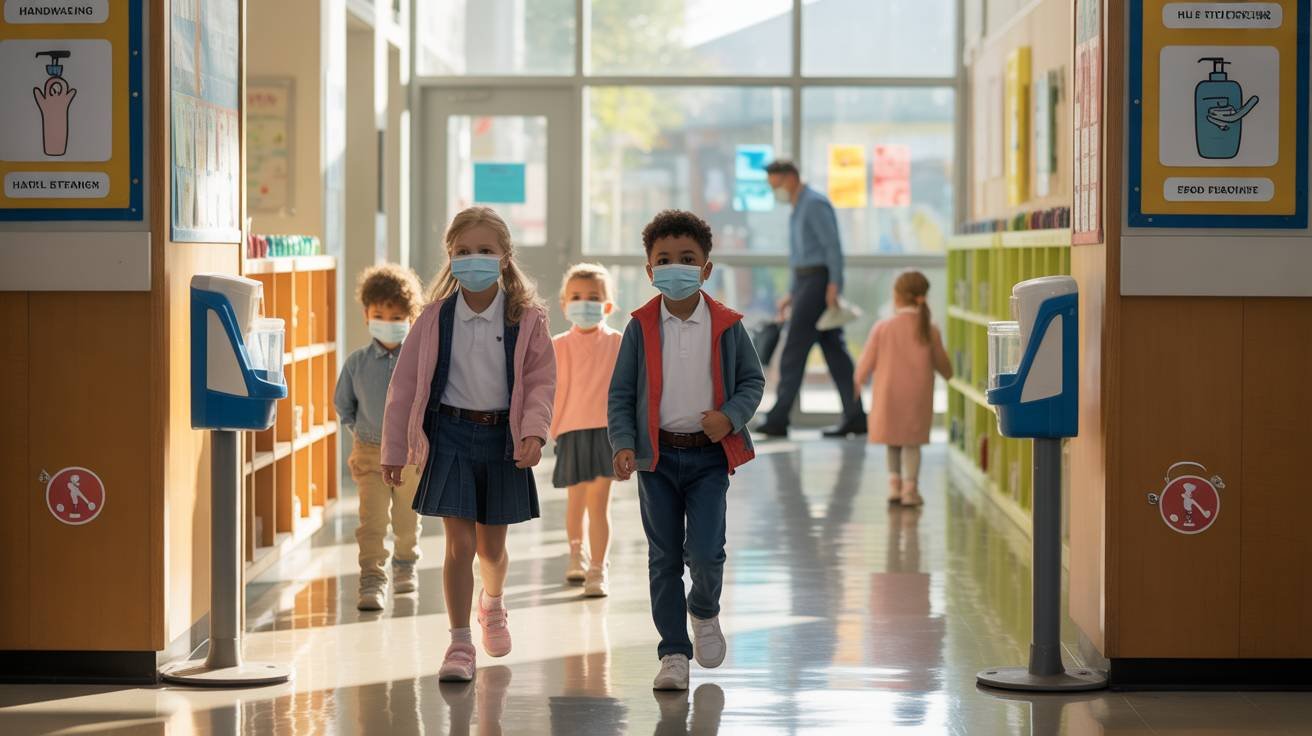
Moreover, schools and local organizations can collaborate to conduct safety drills, teaching individuals how to respond in the event of a chemical emergency. By fostering a culture of safety and preparedness, communities can significantly reduce the impact of potential incidents.
Legal Regulations and Compliance: Adhering to Safety Standards
Various regulations govern the handling and storage of hazardous materials. In the United States, for example, the Occupational Safety and Health Administration (OSHA) sets standards for chemical safety in public spaces. Compliance with these regulations is not just a legal obligation but a moral imperative to protect public health and the environment.
Failure to adhere to safety standards can result in severe penalties, including fines and legal action. More importantly, non-compliance can lead to accidents that cause harm to individuals and the community at large. It’s essential for organizations to stay informed about current regulations and ensure that their practices align with legal requirements.
Emergency Services and Collaboration: A Unified Approach
In the event of a chemical incident, a coordinated response between public safety agencies, healthcare providers, and environmental organizations is crucial. Establishing clear communication channels and predefined roles can streamline efforts and enhance the effectiveness of the response.
Joint training exercises can help familiarize all parties with the procedures and resources available. Additionally, maintaining an up-to-date contact list of local emergency services and hazardous materials experts can expedite assistance when needed. Collaboration ensures a swift and efficient response, minimizing the impact of the incident.
Technological Innovations: Enhancing Safety Measures
Advancements in technology have introduced new tools to improve chemical safety. Automated monitoring systems can detect leaks or hazardous concentrations of chemicals in real-time, alerting personnel to potential issues before they escalate. Drones equipped with sensors can assess hard-to-reach areas, providing valuable data without exposing individuals to risk.
Furthermore, mobile applications can offer instant access to safety data sheets (SDS), allowing users to quickly understand the properties and hazards of chemicals they encounter. Embracing these technologies can enhance preparedness and response capabilities, leading to safer public spaces.
In conclusion, handling chemicals and hazardous materials in public spaces requires a comprehensive approach that encompasses proper storage, personal protection, effective spill response, community education, legal compliance, collaborative efforts, and technological integration. By implementing these safety measures, we can create environments where the public can thrive without fear of chemical hazards.