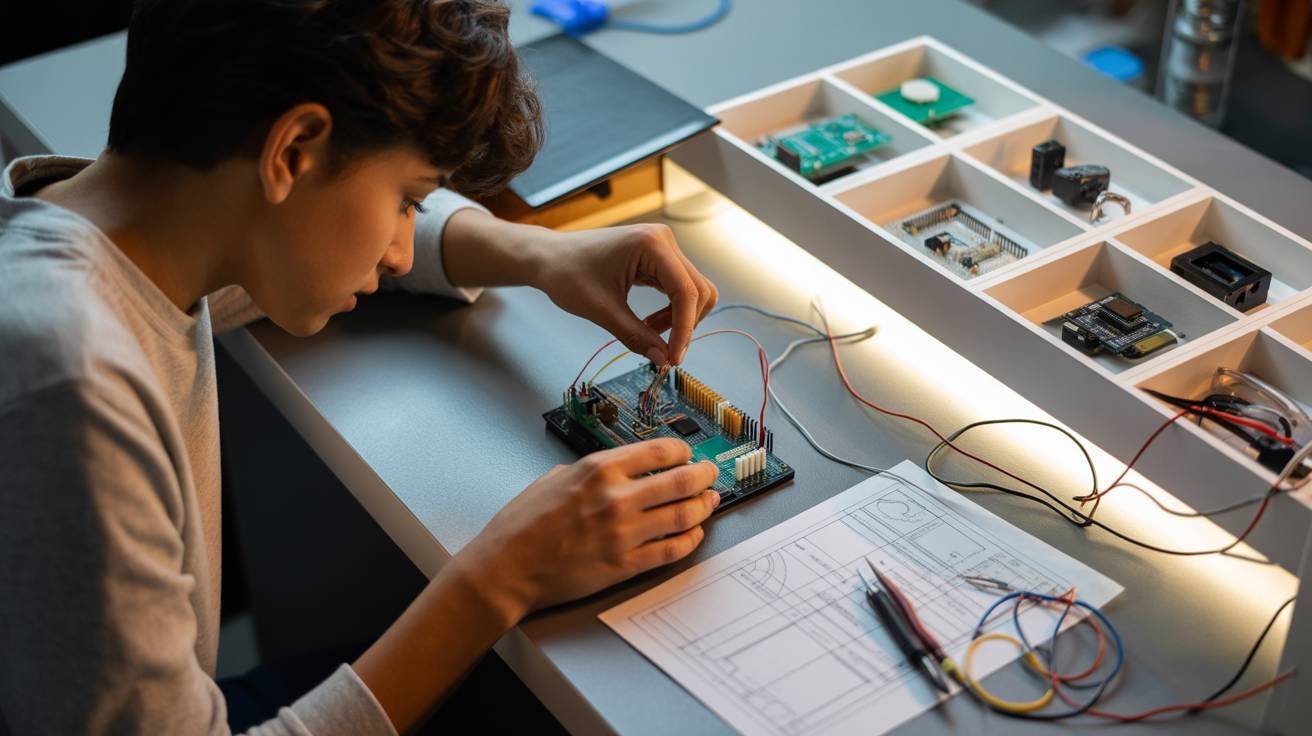

In today’s fast-paced, ever-evolving job market, the ability to solve problems effectively is no longer just a desirable trait – it’s a necessity. Employers are actively seeking individuals who can navigate complex challenges with creativity, resilience, and strategic thinking. If you’re looking to enhance your problem-solving skills and boost your job performance, now is the time to act. Opportunities are abundant, but they won’t wait forever. The question is: Are you ready to seize them?
Understanding the Importance of Problem-Solving Skills in the Workplace
Problem-solving is at the heart of every successful organization. It’s the engine that drives innovation, efficiency, and growth. Whether it’s streamlining a process, addressing customer concerns, or adapting to market changes, the ability to identify issues and implement effective solutions sets high performers apart from the rest. In fact, a study by Coursera highlights that skills like analysis, communication, emotional intelligence, resilience, creativity, adaptability, and teamwork are crucial for effective problem-solving in the workplace. These competencies enable individuals to approach challenges systematically, collaborate effectively, and deliver results that matter. Learn more here.
Embracing a Growth Mindset: The Foundation of Effective Problem-Solving
At the core of exceptional problem-solving lies a growth mindset – the belief that abilities and intelligence can be developed through dedication and hard work. This perspective fosters a love for learning and resilience essential for great accomplishment. Embracing challenges, persisting through obstacles, learning from criticism, and finding inspiration in others’ success are all hallmarks of a growth mindset. By adopting this mindset, you open yourself up to continuous improvement and the ability to tackle problems with confidence and creativity.
Leveraging Analytical Thinking to Break Down Complex Problems
Analytical thinking involves breaking down complex problems into smaller, manageable parts to understand the underlying issues and identify effective solutions. This approach allows you to examine each component systematically, assess potential outcomes, and make informed decisions. By honing your analytical skills, you can approach challenges with a clear and structured mindset, leading to more effective problem-solving and improved job performance.
Enhancing Creativity to Generate Innovative Solutions
Creativity is not just about artistic expression – it’s a vital component of problem-solving. It involves thinking outside the box, exploring new perspectives, and finding novel solutions to challenges. By cultivating creativity, you can approach problems with fresh ideas and innovative strategies, setting yourself apart as a valuable asset to any team. Engaging in activities that stimulate creative thinking, such as brainstorming sessions, mind mapping, and exposure to diverse experiences, can enhance your ability to generate innovative solutions.
Developing Emotional Intelligence to Navigate Workplace Challenges
Emotional intelligence (EI) refers to the ability to recognize, understand, and manage our own emotions, as well as the emotions of others. High EI enables individuals to communicate effectively, resolve conflicts, and build strong relationships – all essential skills for effective problem-solving. By developing your emotional intelligence, you can navigate workplace challenges with empathy and resilience, leading to better outcomes and stronger professional connections.
Applying the ‘Divide and Conquer’ Strategy to Manage Large Problems
When faced with a large, complex problem, the ‘divide and conquer’ strategy can be highly effective. This approach involves breaking the problem into smaller, more manageable parts, allowing you to focus on one aspect at a time. By addressing each component individually, you can develop targeted solutions and prevent feeling overwhelmed. This method not only makes problem-solving more manageable but also increases the likelihood of finding effective and sustainable solutions.
Seeking Feedback and Learning from Others
One of the most powerful ways to enhance your problem-solving skills is by seeking feedback and learning from others. Observing how skilled problem solvers approach challenges, asking for constructive criticism, and collaborating with colleagues can provide valuable insights and alternative perspectives. By being open to feedback and willing to learn from others, you can continuously improve your problem-solving abilities and adapt to new situations more effectively.
Implementing Solutions and Reflecting on Outcomes
Effective problem-solving doesn’t end with identifying a solution – it requires implementing that solution and reflecting on the outcomes. By taking action and evaluating the results, you can determine whether the solution was effective or if adjustments are needed. This reflective process not only helps you learn from each experience but also enhances your ability to solve future problems more efficiently and effectively.
Embracing Continuous Learning and Adaptation
The landscape of challenges and solutions is constantly evolving. To remain effective in problem-solving, it’s essential to embrace continuous learning and adaptation. Staying updated with industry trends, acquiring new skills, and being open to change allows you to approach problems with a fresh perspective and innovative solutions. By committing to lifelong learning, you position yourself as a proactive problem solver ready to tackle any challenge that comes your way.