
Most students study by re-reading notes, highlighting textbooks, and watching videos until the words feel familiar. Then, in the exam, they discover a frustrating truth: recognizing material is not the same as remembering it. Active recall is a study technique that fixes this gap. Instead of passively reviewing information, you deliberately try to pull it from memory. That effort of retrieval is what makes the knowledge stick. It feels harder than re-reading, and that is exactly why it works.
What Active Recall Actually Means
Active recall means testing yourself on material before you look at the answer. You read a topic, close the book, and ask: what do I actually remember? You might write down everything you can recall, answer practice questions, or explain the idea out loud as if teaching someone else. The key is that your brain must work to retrieve the information rather than simply recognize it on the page. When retrieval succeeds, the memory grows stronger. When it fails, you immediately see the gap and know what to review next. Either way, you learn something useful. This is very different from re-reading, which creates a comfortable feeling of familiarity while leaving the actual memory weak.
Why Re-Reading Feels Effective but Fails
Re-reading is popular because it feels productive. The words look familiar, the pages turn quickly, and you finish with a sense of progress. But familiarity is misleading. In an exam you do not get to look at your notes; you must produce answers from memory under pressure. If you have only ever recognized information, you have never practised the skill the exam actually tests. Research on learning has repeatedly shown that retrieval practice beats restudying for long-term retention, which is why students who quiz themselves tend to remember more weeks later than students who only re-read. The discomfort of active recall is a feature, not a flaw: the harder your brain works to retrieve something, the better it remembers it next time.
How to Use Active Recall in Daily Study
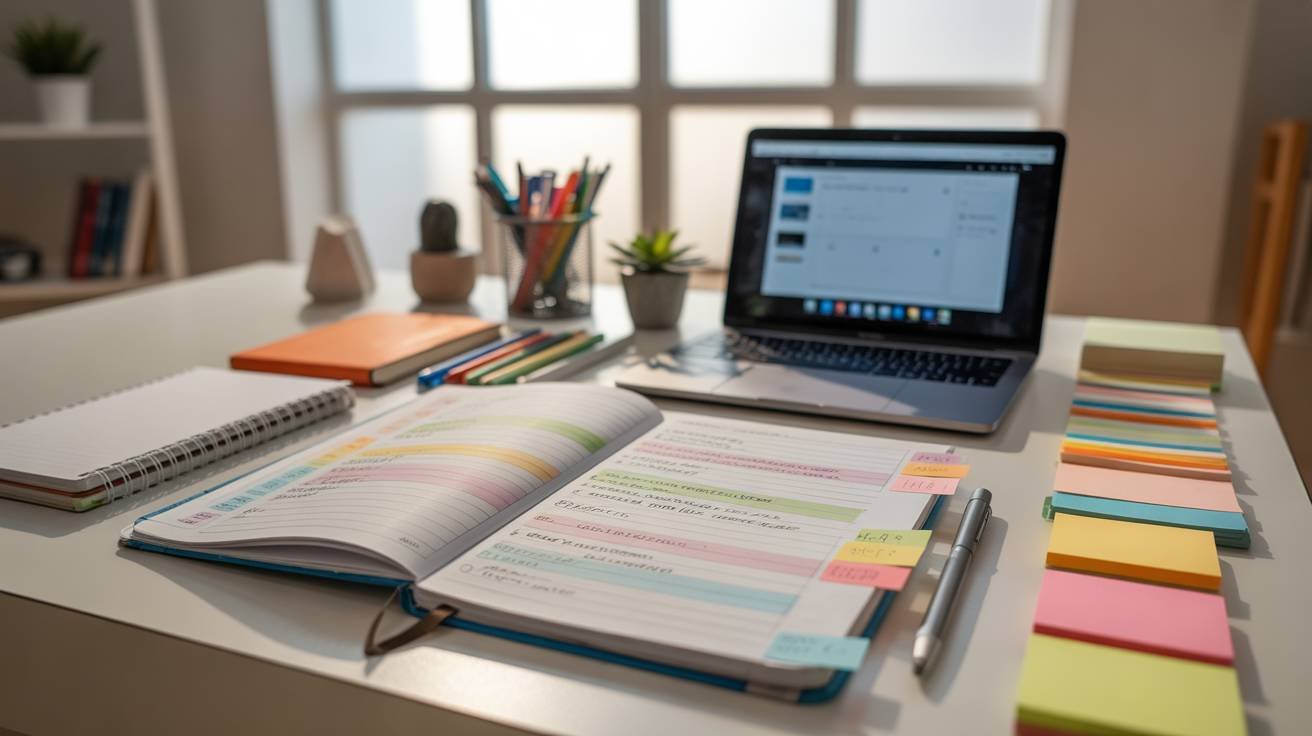
Start small. After reading a section of notes or watching a lesson, close everything and write down the main points from memory. Then open your notes and compare: what did you miss, and what did you get wrong? Review only the gaps, then test yourself again later. Flashcards work well for facts, definitions, and vocabulary: look at the question side, answer in your head or out loud, then check. For bigger topics, use blank-page recall: take a blank sheet, write the topic title at the top, and fill the page with everything you remember, including diagrams and examples. Past exam questions are another excellent tool, because they train retrieval in the exact format you will face. Short, frequent recall sessions beat one long session, and bite-sized study sessions can make this kind of practice easier to sustain.
Combine Recall With Spaced Repetition
Active recall becomes far more powerful when you space it out. Instead of testing yourself on a topic once, revisit it after increasing gaps: later the same day, then after a few days, then after a week. Each time you successfully recall something after a delay, the memory becomes more durable. This pairing of recall and spacing is why memorizing with spaced repetition and quizzes works so well for exams. A simple system is enough: keep a list of topics and the date you last recalled each one, and bring back the oldest ones first. You do not need special software, although apps can help. What matters is the rhythm: recall, rest, recall again after a gap. Cramming everything the night before may feel urgent, but it skips the spacing that makes memories last.
Make Your Notes Recall-Friendly
The way you take notes affects how easy active recall is later. Notes written as questions work better than notes written as statements: turn each heading into a question you must answer, and hide the answer until you try. Organized notes also matter, because retrieval practice is frustrating when you cannot find what you need to check yourself against; organized notes make review and revision far more effective. When you study with others, quiz each other instead of comparing notes silently, and gamified quizzes can make that practice more engaging. For subjects that require understanding rather than memorization, practise explaining ideas in your own words and connecting them to examples. That deeper retrieval builds the kind of flexible knowledge that helps with critical thinking questions, not just factual recall.
Common Mistakes to Avoid
The biggest mistake is giving up too early because recall feels difficult. Struggling to remember something is not a sign that the technique is failing; it is the technique working. Another mistake is checking the answer too quickly: give yourself a real chance to retrieve before peeking, or you turn the exercise back into re-reading. Some students also test themselves only on easy material and avoid the topics they find hard. Those hard topics are exactly where retrieval practice pays off most, so spend more recall time on them. Finally, do not confuse recognition with recall when judging your readiness. If you can only remember something while looking at your notes, you are not ready yet. Keep practising until you can produce it from a blank page, and use inquiry-style questions to test whether your understanding holds up when the question is asked differently.
A Simple First Week With Active Recall
If you are new to this method, keep the first week deliberately small. On day one, pick a single topic you have already studied, close your notes, and write down everything you remember on a blank page. Check your notes, note the gaps, and review only those gaps. On day three, recall the same topic again without looking first, and add a second topic using the same routine. By the end of the week, you will have a small set of topics in rotation and a clear sense of how the method feels. Do not try to convert every subject at once; let the habit prove itself on a few topics first. Most students notice the difference within that first week: revision sessions feel shorter because they already know what they remember and what still needs work, and that clarity alone removes a large part of study anxiety.
Active recall is simple, free, and backed by more learning evidence than almost any other study method. Read less, retrieve more: close the book, test yourself, check the gaps, and repeat after a delay. It will feel harder at first, and your first blank-page attempts may look empty. That is normal, and it is temporary. Within a few weeks of steady practice, you will notice that you remember more, revise faster, and walk into exams with genuine confidence rather than fragile familiarity. Start with your next study session: pick one topic, close your notes, and see what you truly know.